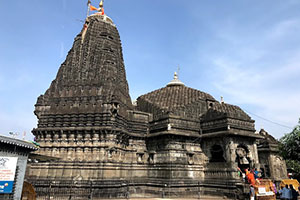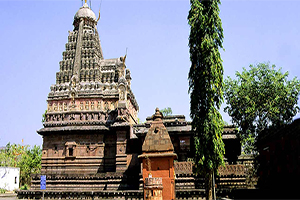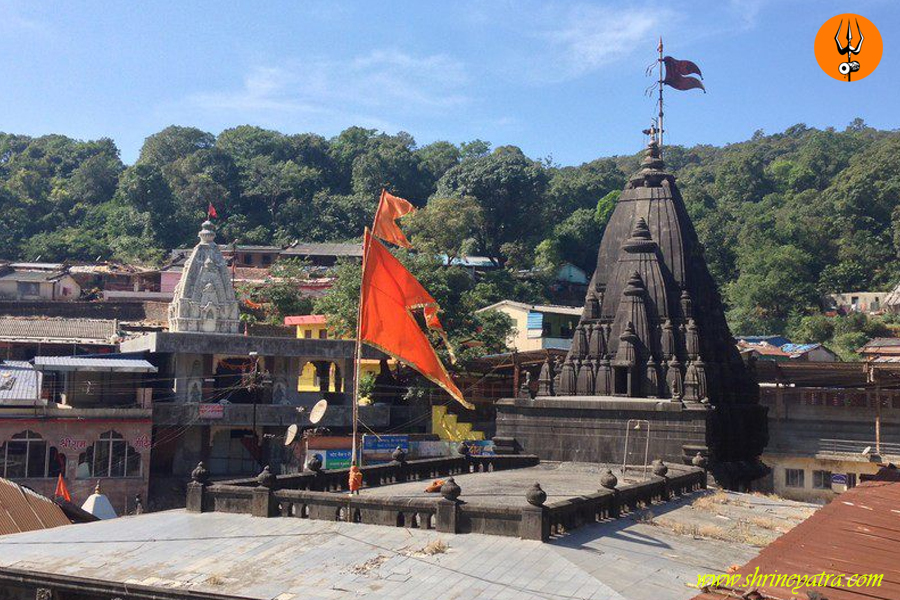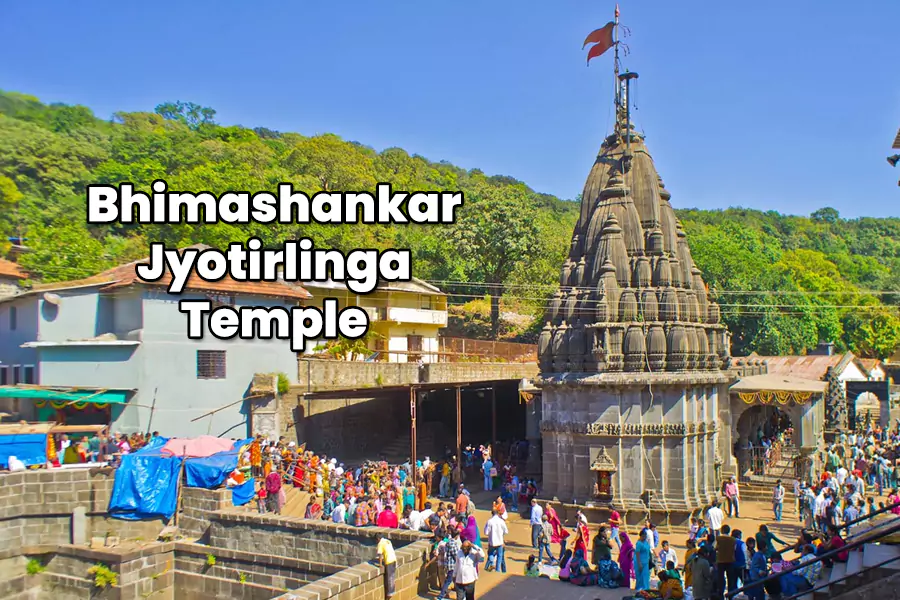
Bhimashankar Temple is one of the 12 Jyotirlinga temples situated in Maharashtra. You can enjoy the pilgrimage to this temple if you go in the right season. The temple deity is a Shiv linga, a natural form of Lord Shiva. Pilgrims can plan their Bhimashankar darshan with Shrine Yatra and do darshan at Bhimashankar. Visiting Bhimashankar in the correct season is a must as it will make your pilgrimage memorable. You will know the best time to visit Bhimashankar when you understand the seasons there.
Winters from October to March: The Best Time to Visit Bhimashankar Temple
The winter season is the best time to visit Bhimashankar Temple. When you plan your Bhimashankar trip during October to March, you can have darshan at the temple comfortably. Daytime temperatures are around 30 degrees Celsius, and at night it can touch 10 degrees Celsius. The weather is pleasant, and you will not feel the heat of the sun. You can do darshan of the Shiv linga and other temples around the main shrine with comfort. Winter is a good time for sightseeing around the temple also. You can visit Bhimashankar Wildlife Sanctuary and spot some rare animals.
Advantages of visiting Bhimashankar during winter
- Cool daytime temperatures in the range of 15 to 25 degrees Celsius.
- The skies are clear and there is plenty of sunlight, which makes the view of the temple and surrounding clearly visible.
- This is the perfect time for darshan of the deity, puja or abhishek at the temple.
- It becomes easy to spot wildlife animals in Bhimashankar Wildlife Sanctuary.
- Pleasant weather is perfect for trekking, shopping, and sightseeing.
- Monsoon time from July to September: Best for greenery and natural beauty
If you plan your Bhimashankar yatra during the monsoon season, then you can view beautiful greenery around the temple. The region receives heavy rainfall, and it transforms the landscape into a green one. However, you should be careful of stepping on the rocks and trekking, as it may get slippery. As Bhimashankar is located in a hilly region, it may get foggy and misty during the monsoon period. This period is good for trekking, and you can view cascading waterfalls and river streams flowing down the mountains. Shravan season also falls in this period, and you may have to face crowds and queues for visiting the temple.
Advantages of visiting Bhimashankar during monsoons
- You can view lush greenery and mist-covered mountains in Bhimashankar.
- Tourist crowd is lesser, and you will not face crowds in Bhimashankar.
- Enjoy waterfalls and cross river streams on the Bhimashankar trek.
- Best season for trekkers, wildlife lovers, and nature photography.
Summer season from March to May: Best for Budget Travellers
Summer is the time when you will feel the sun’s heat in Bhimashankar, and it can be uncomfortable for some. In such times, you can do early morning darshan of the Bhimashankar Temple deity. As far as possible, avoid the afternoon time 12 pm onwards as the weather can turn hot. It is best for travellers who want to visit Bhimashankar Temple on a budget. Hotel rates are lower during the summer time, and it will fit your travel budget. An early morning visit can be done comfortably, and you can avoid crowds that come to visit the temple during the latter half of the day.
vAdvantages of visiting Bhimashankar during summertime
- There are very few crowds in the temple and shorter queues for darshan.
- The accommodation in the hotels is within budget.
- The days are longer and it tourists find it ideal for exploring around the temple.
- There is very good visibility and plenty of sunlight.
Best Time to Visit Bhimashankar during Festivals
Maha Shivaratri (February or March)
This festival usually falls in the last week of February or first week of March according to the Hindu calendar. It is celebrated with great festivities in Bhimashankar Jyotirlinga Temple. You will see a huge crowd of devotees in Bhimashankar at this festival time. The temple authorities celebrate Mahashivratri by organizing a five-day fair near the temple.
Shravan Maas (July to August)
The Hindu month of Shravan usually falls in July or August. This is a holy month for Hindus, and they arrive in Bhimashankar Temple in huge numbers to celebrate this festival. According to Hindu mythology, the churning of the ocean or Samudra Manthan took place during Shravan Maas. The Mondays of Shravan are highly sacred, and this is the time when devotees practice fasting and chanting of the Sanskrit hymns in praise of Lord Shiva. Shravan month is also the peak of the monsoon season, and there may be heavy rains in Bhimashankar.
Kartik Purnima (November or December)
This is the night of the Full Moon and is celebrated in the months of October or November. It is considered a sacred night for the Hindus, and they reach Bhimashankar Temple to celebrate it. Kartik Purnima is celebrated to mark the mythological event when Lord Shiva killed the demon Tripurasura. This symbolic event is celebrated to rejoice the victory of good over evil. Devotees take a holy bath in the Mokshakund or Moksha Tirth at Bhimashankar Temple before visiting the temple.
Diwali (October or November)
The festival of Diwali is celebrated in October or November as per the timing of the Hindu calendar. The Bhimashankar Temple is illuminated with lighted diyas and decorated lamps. The temple priests do special laxmi puja and Maha Rudra Abhishek to celebrate Diwali. Daily rituals are done as per schedule, and aarti and darshan are performed. The decoration of the temple is done with flowers and lamps. Many devotees visit Bhimashankar Temple during this time as they can celebrate Diwali and seek the blessings of the Bhimashankar Temple Shiva Linga.
You can plan your trip to the Bhimashankar Jyotirlinga in Maharashtra with a reputed tour agency through our best customized package, the Maharashtra Jyotirlinga Tour from Mumbai.
Important link: What is the best time to visit Jyotirlinga Temples in Maharashtra?