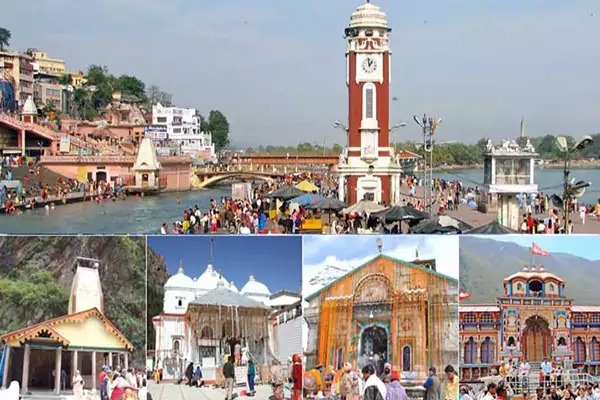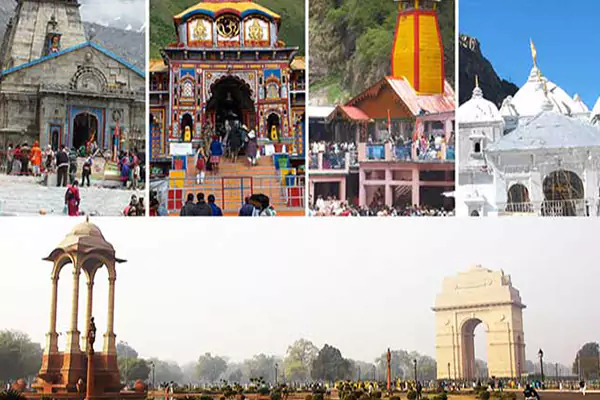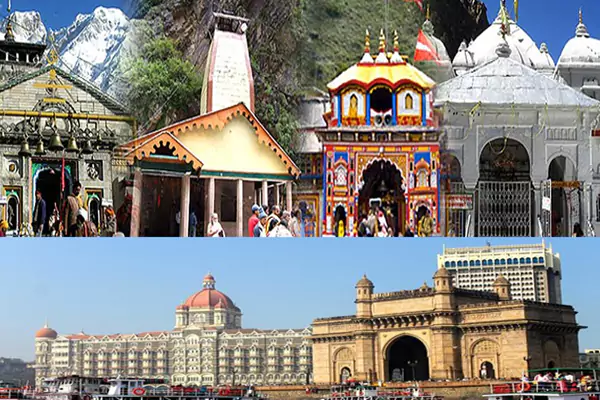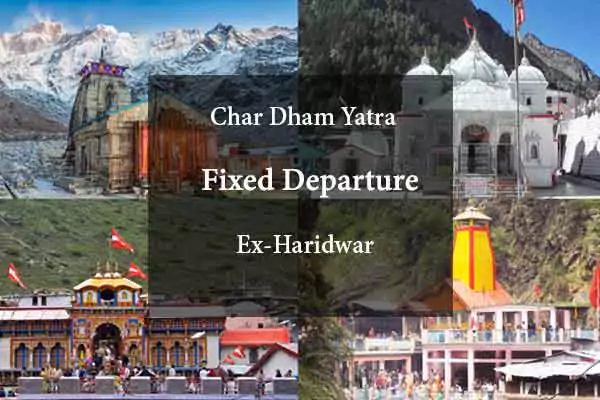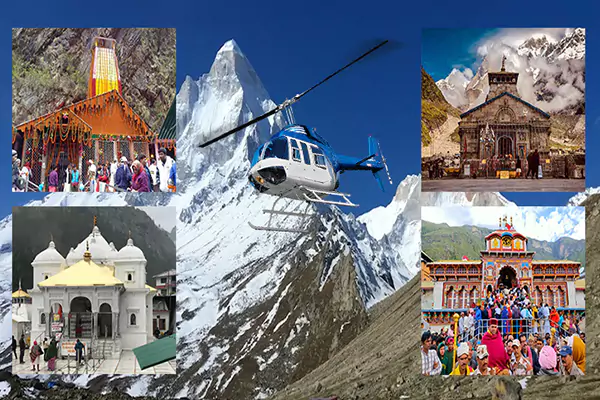
The Char Dham Yatra is one of the most sacred pilgrimages in Hinduism, drawing lakhs of devotees every year to the majestic Garhwal Himalayas of Uttarakhand. Covering the four revered shrines, Yamunotri, Gangotri, Kedarnath, and Badrinath, this spiritual journey is widely known as the Char Dham of Uttarakhand or the Chota Char Dham Yatra.
For centuries, devotees have undertaken this pilgrimage with the belief that it purifies the soul, washes away past sins, and leads them towards Moksha, the ultimate liberation from the cycle of birth and death. Today, improved highways, better accommodation, organised transport, helicopter services, and professionally managed Chardham Yatra Packages have made this sacred journey more comfortable for families, senior citizens, solo travellers, and devotees from across India and overseas.
If you are planning a Trip to Char Dham Temples, this complete Char Dham Yatra Guide covers everything you need to know, including its spiritual history, detailed itinerary, route map, registration process, package cost, best time to visit, and practical travel tips for a safe and memorable pilgrimage.
The Origin of Char Dham Yatra
The concept of the Char Dham was introduced during the 8th century by the great philosopher and spiritual leader Adi Shankaracharya. His vision was to strengthen India’s spiritual heritage by encouraging devotees to undertake pilgrimages to sacred temples located in different parts of the country.
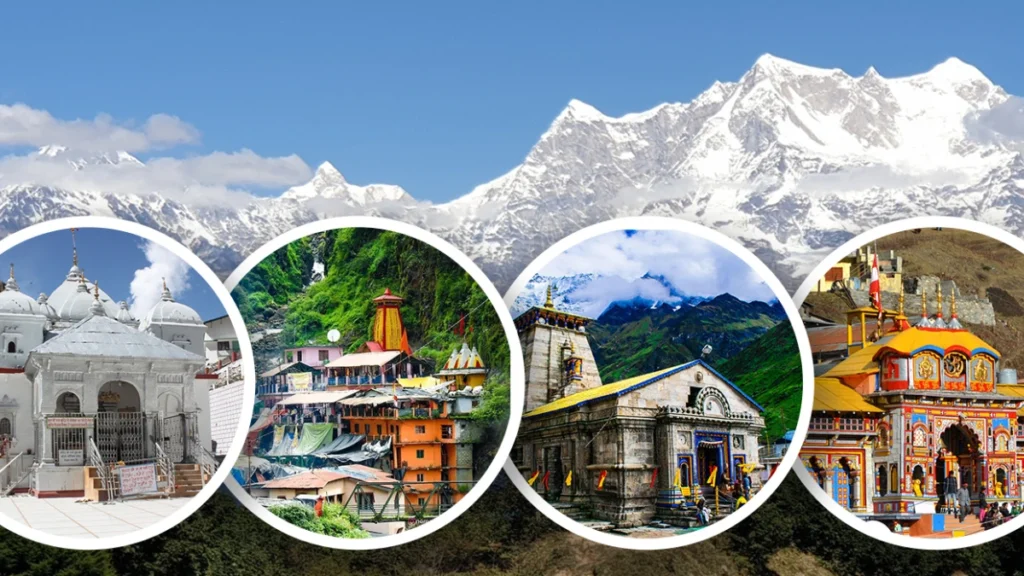
Over time, the Himalayan pilgrimage in Uttarakhand became popularly known as the Chota Char Dham Yatra, which includes four revered shrines:
- Yamunotri Temple
- Gangotri Temple
- Kedarnath Temple
- Badrinath Temple
Traditionally, pilgrims complete this sacred journey in a clockwise direction, beginning with Yamunotri, followed by Gangotri, then Kedarnath, and concluding at Badrinath.
About the Char Dham of Uttarakhand
The Char Dham of Uttarakhand, also known as the Chota Char Dham Yatra, consists of four ancient Himalayan temples, Yamunotri, Gangotri, Kedarnath, and Badrinath. Each shrine holds immense religious importance and is associated with a sacred river and a principal deity of Hinduism. Visiting all four temples is considered one of the most spiritually rewarding pilgrimages in India.
1. Yamunotri Dham
Located at an altitude of 3,293 metres, Yamunotri Temple is a holy Himalayan sanctuary dedicated to Goddess Yamuna, the spiritual source of the revered Yamuna River. According to Hindu belief, seeking the blessings of Goddess Yamuna protects devotees from untimely death and brings purity to the soul.
The temple houses a beautiful black marble idol of the goddess. Before offering prayers, pilgrims traditionally take a holy dip in the nearby Surya Kund and other natural hot water springs, which are regarded as highly sacred.
2. Gangotri Dham
Located at an elevation of 3,042 metres, Gangotri Temple is dedicated to Goddess Ganga. According to Hindu tradition, this is the sacred place where the holy River Ganga descended to Earth after Lord Shiva received her in his matted locks to reduce the force of her descent.
Surrounded by towering Himalayan peaks, dense forests, and the flowing Bhagirathi River, Gangotri offers a peaceful atmosphere that attracts both pilgrims and nature lovers seeking spiritual tranquillity.
3. Kedarnath Dham
Standing at 3,583 metres, Kedarnath Temple is one of the twelve Jyotirlingas dedicated to Lord Shiva. The temple holds deep religious significance and is closely associated with the Mahabharata, where the Pandavas are believed to have sought Lord Shiva’s blessings after the Kurukshetra war.
Pilgrims begin the journey from Gaurikund and complete an approximately 16 km trek to reach the temple. Surrounded by majestic snow-covered Himalayan peaks, Kedarnath offers an unforgettable spiritual experience that combines devotion, faith, and the beauty of nature.
4. Badrinath Dham
Located at an altitude of 3,133 metres on the banks of the Alaknanda River, Badrinath Temple is dedicated to Lord Vishnu in his form as Lord Badrinarayan. It is one of the most revered Vaishnav temples in India and marks the final destination of the Char Dham Yatra.
The temple enshrines a black stone idol of Lord Badrinarayan seated in a meditative posture. Before entering the temple for Darshan, devotees traditionally take a holy dip in the Tapt Kund, a natural hot water spring located near the temple, which is believed to purify both the body and mind before worship.
Chota Char Dham Yatra Season
The Chota Char Dham Yatra remains open for nearly six months every year. During the winter season, heavy snowfall makes the temples inaccessible, so the shrines remain closed and the deities are worshipped at their designated winter seats.
- Opening Time: April or May (on the auspicious occasion of Akshaya Tritiya)
- Closing Time: October or November (around Diwali/Bhai Dooj, depending on the temple traditions)
- Peak Season: May and June, pleasant weather with the highest number of pilgrims
- Best Season: September and October, clear skies, comfortable temperatures, and comparatively fewer crowds
- Rainy Season: July and August, frequent rainfall with the possibility of landslides and travel disruptions
Weather in the Himalayas changes quickly throughout the pilgrimage season. Even during summer, places like Kedarnath can experience near-freezing temperatures at night. Carrying warm clothing and checking weather updates before travelling is always recommended.
Best Time to Visit Char Dham Yatra
The ideal time for the Chardham Yatra depends on the kind of pilgrimage experience you prefer.
- For pleasant weather: May to June, when temperatures are comfortable and all routes remain active.
- For peaceful darshan and fewer crowds: September to October, after the monsoon season when the landscape is lush and the weather is generally clear.
- Avoid: July and August, as heavy rainfall can cause landslides, road closures, and travel delays.
Planning your journey during the right season helps you enjoy a safer, smoother, and more spiritually rewarding pilgrimage.
Char Dham Yatra Route Map
The traditional Char Dham Yatra by road follows the sacred sequence prescribed for the pilgrimage:
Haridwar / Rishikesh → Barkot → Yamunotri → Barkot → Uttarkashi → Gangotri → Uttarkashi → Guptkashi / Sonprayag → Gaurikund → Kedarnath → Gaurikund → Guptkashi / Sonprayag → Badrinath → Haridwar / Rishikesh
- Total Distance: Approximately 1,500 to 1,600 km
- Duration: Usually 10 to 12 days
The route passes through beautiful Himalayan valleys, holy rivers, ancient temples, and picturesque mountain towns, making the journey as memorable as the destination itself.
Detailed Char Dham Itinerary from Haridwar
A thoughtfully planned Char Dham itinerary from Haridwar allows pilgrims to complete the journey comfortably while following the traditional order of the four sacred shrines. Since Haridwar is considered one of the main gateways to the pilgrimage, most travellers begin their yatra from here. A balanced itinerary provides enough time for travel, temple darshan, sightseeing, and proper rest throughout the journey.
Day 1: Haridwar – Barkot (via Dehradun & Mussoorie)
Your Char Dham Yatra begins with an early morning departure from Haridwar. Drive through Dehradun and the scenic hill station of Mussoorie. Depending on the schedule, you may stop at the beautiful Kempty Falls before continuing towards Barkot, a peaceful town situated near the Yamuna River. After reaching Barkot, check in to your hotel, enjoy dinner, and rest before the first temple visit.
Day 2: Barkot – Yamunotri – Barkot
Leave early in the morning for Janki Chatti, the starting point of the Yamunotri trek. From here, pilgrims can reach the temple on foot or hire a pony, palki, or pithu if required. After taking a holy dip in the sacred hot water kund near the temple and offering prayers to Goddess Yamuna, return to Janki Chatti and drive back to Barkot for an overnight stay.
Day 3: Barkot – Uttarkashi
After breakfast, continue your journey to Uttarkashi, one of the most important pilgrimage towns in Uttarakhand. En route, visit the revered Prakateshwar Mahadev Temple. On arrival, check into your hotel and spend the evening relaxing. Situated on the banks of the Bhagirathi River, Uttarkashi is known for its spiritual atmosphere and ancient temples.
Day 4: Uttarkashi – Gangotri – Uttarkashi
Begin your day early with a drive to Gangotri Temple. After reaching the shrine, take a holy dip in the Bhagirathi River, offer prayers at the temple, and spend some peaceful moments in the serene surroundings. On your return journey, visit the famous Kashi Vishwanath Temple in Uttarkashi before heading back to your hotel for the night.
Day 5: Uttarkashi – Guptkashi
After breakfast, drive towards Guptkashi, enjoying spectacular views of the Garhwal Himalayas throughout the journey. Upon arrival, check into your hotel and relax. Guptkashi serves as one of the main base towns for pilgrims visiting Kedarnath and provides a comfortable overnight halt before the next day’s journey.
Day 6: Guptkashi – Kedarnath
Leave early for Sonprayag and continue to Gaurikund, the starting point of the Kedarnath trek. Pilgrims can complete the journey on foot or choose pony, palki, or helicopter services, depending on their preference. After reaching Kedarnath Temple, attend the evening aarti if time permits and visit the Samadhi of Adi Shankaracharya, located behind the temple. Overnight stay is arranged at Kedarnath according to your travel plan.
Day 7: Kedarnath – Guptkashi
Wake up early to attend the morning darshan at Kedarnath Temple. After seeking the blessings of Lord Shiva, begin the return trek to Gaurikund and drive back to Guptkashi. Check into your hotel and spend the evening resting after the day’s trek.
Day 8: Guptkashi – Joshimath / Pipalkoti
After breakfast, continue towards Joshimath or Pipalkoti, depending on your itinerary. The drive offers beautiful views of rivers, valleys, and mountain landscapes. Upon arrival, check into your hotel and enjoy a peaceful evening before visiting the final shrine of the yatra.
Day 9: Badrinath & Mana Village Sightseeing
Begin the day with a visit to the sacred Badrinath Temple. Before entering the temple, pilgrims traditionally take a holy dip in Tapt Kund. After darshan, explore nearby attractions including Mana Village, the last Indian village before the Indo-Tibetan border, along with Vyas Gufa, Ganesh Gufa, Bhim Pul, and the sacred Saraswati River. Return to your hotel for dinner and an overnight stay.
Day 10: Joshimath – Rishikesh – Haridwar
After breakfast, drive towards Rishikesh. On the way, stop at Devprayag, where the Alaknanda and Bhagirathi rivers meet to form the holy Ganga. In Rishikesh, visit Ram Jhula, Laxman Jhula (view from accessible areas, as access may change), and Geeta Bhavan. If your schedule permits, witness the evening Ganga Aarti at Triveni Ghat before continuing to Haridwar, marking the successful completion of your Char Dham Yatra.
Option: Char Dham Yatra by Helicopter
For pilgrims who want to complete the pilgrimage in less time, the Char Dham Yatra by Helicopter offers a fast, comfortable, and well-organised alternative to the traditional road journey. Most helicopter tours are completed within 4 to 6 days, making them an excellent option for those with busy schedules.
These packages typically include VIP Darshan assistance, premium accommodation, ground transfers, and minimal walking wherever possible. The helicopter yatra is especially suitable for senior citizens, families, NRIs, and travellers seeking a comfortable pilgrimage experience.
Char Dham Yatra Registration
The Uttarakhand Government has made Chardham Yatra Registration mandatory for every pilgrim. By completing registration, pilgrims help authorities organize the journey smoothly while ensuring quick assistance and safety support whenever required.
Registration Options
Pilgrims can complete their registration through either of the following methods:
- Online registration through the official registration portal
- Offline registration at designated registration centres
Required Documents
Keep the following documents ready while registering:
- Valid government-issued photo ID
- Mobile number
- Travel details
After successful registration, pilgrims receive their Yatra Registration Pass. At designated checkpoints, authorities may verify the registration details, including QR code verification where applicable, to ensure a safe and organised pilgrimage.
Char Dham Yatra Cost Breakdown
The cost of a Char Dham Yatra Package depends on the type of accommodation, transportation, travel duration, and services included in the package.
Budget Package (By Road)
- ₹25,000 to ₹35,000 per person
- Generally includes accommodation, transportation, and meals.
Deluxe or Family Package
- ₹40,000 to ₹65,000 per person
- Includes upgraded hotels, comfortable vehicles, and additional travel assistance.
Char Dham Yatra by Helicopter
- ₹1,80,000 to ₹2,50,000 per person
- Includes helicopter transfers, premium stays, dedicated support services, and priority VIP Darshan facilities.
A customised Char Dham Yatra Family Package provides added convenience for families travelling with children and senior citizens by offering comfortable accommodation, flexible itineraries, and dedicated travel support.
Char Dham Yatra by Road vs Helicopter
Choosing between a Char Dham Yatra by Road and a Char Dham Yatra by Helicopter depends on your budget, available time, physical fitness, and travel preferences.
The road journey offers a traditional pilgrimage experience, allowing devotees to travel through picturesque Himalayan valleys, visit important pilgrimage towns, and enjoy the natural beauty of Uttarakhand at a relaxed pace.
The helicopter journey, on the other hand, focuses on comfort, speed, and convenience. It significantly reduces travel time and physical effort, making it an excellent choice for pilgrims who prefer a shorter and more comfortable pilgrimage.
Both options allow devotees to visit the four sacred shrines, Yamunotri Temple, Gangotri Temple, Kedarnath Temple, and Badrinath Temple, while offering different travel experiences.
Below is a detailed comparison to help you choose the option that best matches your travel needs.
| Feature | Char Dham Yatra by Road | Char Dham Yatra by Helicopter |
|---|---|---|
| Duration | 10–12 days | 4–6 days |
| Cost | Budget-friendly | Premium |
| Travel Experience | Scenic Himalayan drive through valleys and rivers | Aerial views of the Himalayas |
| Physical Effort | Includes long drives and the Kedarnath trek | Minimal trekking required |
| Best For | Families, groups, spiritual seekers | Senior citizens, luxury travelers |
| Comfort Level | Standard to deluxe (depending on package) | High comfort with VIP darshan |
| Spiritual Feel | Traditional and immersive | Fast yet spiritually fulfilling |
Final Verdict
The best option depends on what matters most to you during the pilgrimage.
If you wish to experience the 4 Dham Yatra in its traditional form, enjoy the scenic Himalayan landscapes, and travel on a relatively economical budget, the road journey is the ideal choice. It allows you to explore the spiritual atmosphere of the route at a comfortable pace.
If your priority is saving time, reducing physical effort, and travelling with greater comfort, then the Char Dham Yatra by Helicopter is a better option. It is especially suitable for senior citizens, families, NRIs, and pilgrims who prefer a premium travel experience.
Do’s and Don’ts for Char Dham Yatra
Following a few simple precautions can make your pilgrimage safer, more comfortable, and environmentally responsible.
Do’s
- Carry warm clothing along with proper rain protection.
- Drink plenty of water to stay hydrated throughout the journey.
- Respect the traditions and customs followed at every temple.
- Keep your essential medicines and a basic first-aid kit with you.
- Book your Char Dham Yatra Package well in advance, especially during the peak season.
Don’ts
- Avoid consuming alcohol and non-vegetarian food during the pilgrimage.
- Do not litter the surroundings. Help keep the Himalayan region clean.
- Never take shortcuts on trekking routes or leave the designated trail.
- Do not ignore symptoms of altitude sickness or other health concerns.
Responsible travel not only keeps you safe but also helps preserve the fragile Himalayan environment for future pilgrims.
Why Book a Char Dham Yatra Package from Shrine Yatra?
Planning a Char Dham Yatra independently can be challenging because of changing weather conditions, high-altitude travel, accommodation availability, transportation arrangements, and mandatory government procedures. Choosing a professionally managed 4 Dham Yatra Package from Shrine Yatra allows you to enjoy a smoother and more organised pilgrimage.
With years of experience in organising Char Dham Yatra Packages, our team understands the route, temple schedules, registration requirements, and seasonal travel conditions. Whether you are travelling with your family, senior citizens, or a larger group, we ensure every part of your journey is carefully planned.
When you book your Char Dham Yatra Package with Shrine Yatra, you can expect:
- Comfortable pre-booked accommodation at every destination
- Experienced mountain drivers familiar with Himalayan roads
- Dedicated customer support throughout your journey
- Prompt assistance during emergencies
- Well-planned itineraries for smooth travel and timely darshan
- Guidance with Char Dham Registration and other travel formalities
Our mission is to take care of every travel detail, allowing you to immerse yourself fully in your spiritual experience. From Yamunotri to Badrinath, every detail is managed with care to make your pilgrimage peaceful, comfortable, and memorable.
Final Words
The 4 Dham Yatra is much more than a pilgrimage. It is a journey of faith, devotion, and self-discovery through the majestic Himalayas. From the sacred waters of Yamunotri and Gangotri to the divine presence of Kedarnath and the peaceful surroundings of Badrinath, every destination offers a unique spiritual experience.
Whether you choose the traditional Char Dham Yatra by Road or the faster Char Dham Yatra by Helicopter, careful planning will help you enjoy a safe, comfortable, and spiritually fulfilling journey.
If you are planning your pilgrimage, choose a trusted travel partner who can manage every detail with professionalism, allowing you to devote your time and energy to prayer, peace, and the unforgettable experience of visiting the sacred Char Dham.
Frequently Asked Questions for Char Dham Yatra Complete Guide
1. What is Char Dham Yatra, and which temples are included?
Char Dham Yatra is one of the most sacred pilgrimages in Uttarakhand. It includes visits to Yamunotri, Gangotri, Kedarnath, and Badrinath. These four shrines are dedicated to Goddess Yamuna, Goddess Ganga, Lord Shiva, and Lord Vishnu, respectively. According to Hindu beliefs, completing this pilgrimage brings spiritual purification and helps devotees move closer to Moksha.
2. What is the best time to visit Char Dham Yatra?
The most favorable time for the Char Dham Yatra is between May to June and September to October, when pilgrims can enjoy a safer and more comfortable journey. Travelling during July and August is usually discouraged because of heavy rainfall and the possibility of landslides.
3. How many days are required for the Char Dham Yatra itinerary?
A complete Char Dham Yatra by Road generally takes 10 to 12 days. The total duration may vary depending on your departure city, itinerary, weather conditions, and the travel option you choose.
4. How to register for the Char Dham Yatra online?
Pilgrims can complete their Char Dham Yatra Registration through the official registration portal of the Government of Uttarakhand. The registration process requires basic personal information, a valid government-issued photo ID, travel details, and mobile number verification. After registration, download or save your registration pass for verification during the journey.
5. What is the Char Dham Yatra route map and travel order?
The traditional pilgrimage follows this sequence:
Yamunotri → Gangotri → Kedarnath → Badrinath
This order has been followed for generations and is considered the traditional route for completing the Char Dham Yatra.
6. How much does a Char Dham Yatra package cost in India?
The package cost depends on accommodation standards, travel options, and the services selected for a comfortable pilgrimage experience. Road packages generally range from ₹30,000 to ₹80,000 per person, while luxury and helicopter packages are priced higher based on the itinerary and facilities provided.
7. Is the Char Dham Yatra by helicopter worth it, and how much does it cost?
Yes. The Char Dham Yatra by Helicopter is an excellent option for pilgrims with limited time or those looking for a more comfortable journey. It significantly reduces travel time and physical effort. Helicopter packages generally range from ₹1.8 lakh to ₹2.5 lakh per person, depending on the itinerary and included services.
8. Can senior citizens do the Chota Char Dham Yatra safely?
Yes. With proper planning, many senior citizens comfortably complete the Chota Char Dham Yatra every year. Choosing a well-planned package, consulting a doctor before travelling, taking adequate rest, and using helicopter, pony, or palki services where required can make the journey much easier.
9. What documents are required for Char Dham Yatra registration?
Pilgrims should carry a valid government-issued photo ID, such as an Aadhaar Card, Passport, Voter ID, or Driving Licence. They should also keep their Char Dham Yatra Registration confirmation and mobile number used during registration readily available.
10. Which is better, the Char Dham Yatra by road or by helicopter?
Both options offer a memorable pilgrimage experience. The Char Dham Yatra by Road is ideal for pilgrims who wish to enjoy the traditional Himalayan journey and scenic landscapes. The Char Dham Yatra by Helicopter is better suited for senior citizens, busy professionals, families, and travellers looking for a quicker and more comfortable pilgrimage. The right choice ultimately depends on your budget, available time, health, and personal travel preferences.