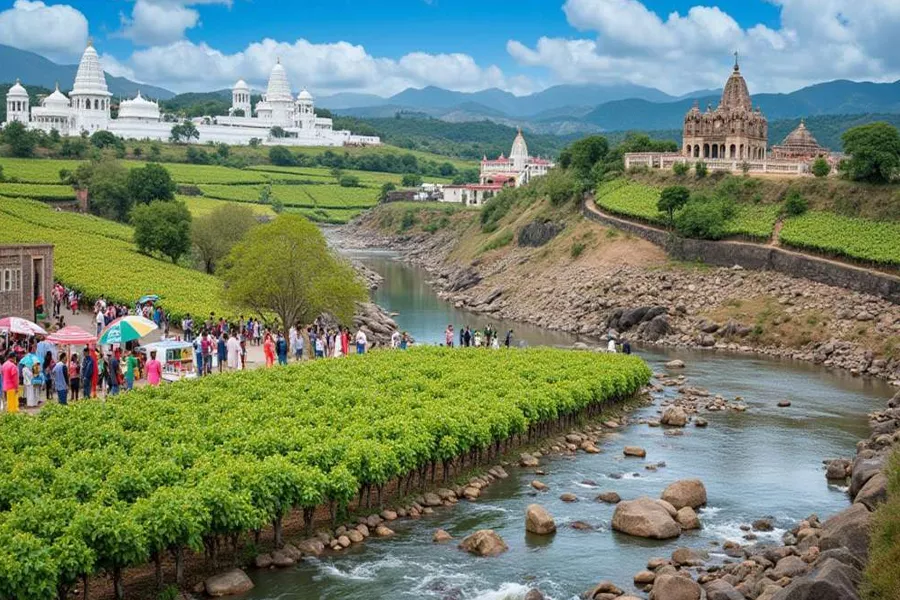
The best things to do in Nashik include visiting Trimbakeshwar Jyotirlinga Temple, exploring the sacred Panchavati area, walking around Ramkund, discovering the ancient Pandavleni Caves, enjoying vineyard experiences and exploring nearby hills. Nashik combines religious heritage, archaeology, local Maharashtrian food and wine tourism in one destination. Plan at least one full day for the city, or two to three days if you also want to visit Trimbakeshwar, explore nature and enjoy a vineyard experience.
Best Things to Do in Nashik at a Glance
Nashik offers different experiences depending on whether you prefer temples, local history, outdoor activities or relaxed outings.
The following table includes approximate sightseeing allowances to help you plan. These are itinerary estimates, not official visit durations. Temple queues, walking speed, weather and local traffic can change the time required.
| Attraction or Experience | Category | Best For | Planning Allowance | Location |
|---|---|---|---|---|
| Trimbakeshwar Jyotirlinga Temple | Spiritual | Pilgrims and temple visitors | 3–5 hours including travel, depending on queues | About 28 km from Nashik city |
| Panchavati | Religious and cultural | Families, pilgrims and history enthusiasts | 1.5–3 hours | Within Nashik city |
| Ramkund | Religious and cultural | Pilgrims and cultural travellers | 30–60 minutes | Panchavati |
| Kalaram Temple and Sita Gufa | Religious and historical | Spiritual travellers and families | 1–2 hours combined, excluding long queues | Panchavati |
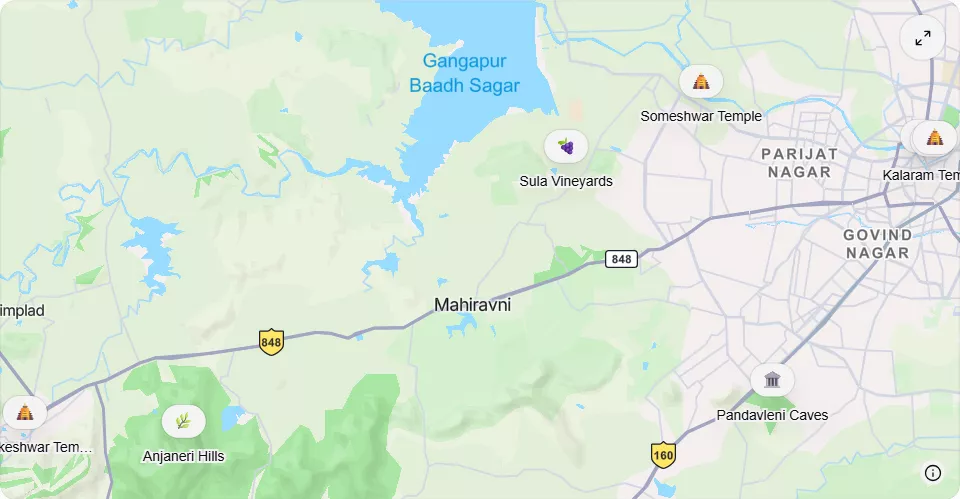
| Pandavleni Caves | History and outdoor activity | History enthusiasts and walkers | 1.5–2.5 hours | About 8 km from the city |
| Sula Vineyards | Wine tourism | Adult couples and groups | 2–4 hours | Govardhan, outside the city centre |
| Anjaneri Hills | Trekking and nature | Hikers and outdoor enthusiasts | Half a day or longer | Nashik district |
| Someshwar Temple and Dudhsagar Waterfall | Religious and nature | Families and relaxed explorers | 1–2.5 hours, depending on conditions | Around 8 km from the central bus stand |
| Gangapur Dam surroundings | Scenic outing | Couples and nature lovers | 1–2 hours if suitable public access is available | Outside the central city |
| Local food and markets | Culinary and cultural | All kinds of travellers | 1–2 hours | Multiple city neighbourhoods |
Maharashtra Tourism places Trimbakeshwar approximately 28 km from Nashik city and Pandavleni Caves about 8 km away. The Nashik district administration identifies Ramkund, Kalaram Temple and Someshwar Temple as established local attractions.
1. Visit Trimbakeshwar Jyotirlinga Temple

Trimbakeshwar Jyotirlinga Temple is among the most significant religious attractions in the Nashik region. Dedicated to Lord Shiva, it is one of the twelve Jyotirlinga shrines revered in Hindu tradition.
The temple stands in Trimbak, near the Brahmagiri Hills, which are closely associated with the origin of the Godavari River. Its traditional architecture, religious practices and surrounding landscape make it an important destination for pilgrims and visitors interested in Maharashtra’s temple heritage.
What Can You Experience Here?
You can visit the temple for darshan, observe its architecture and explore the surrounding sacred sites. Kushavarta Tirtha, a sacred water tank associated with the Godavari, lies approximately 400 metres from the temple according to Maharashtra Tourism.
Trimbakeshwar also serves as a starting point for exploring nearby landscapes, including the Brahmagiri area and Anjaneri Hills. These outdoor experiences need separate time and appropriate preparation.
Practical Tips
- Trimbakeshwar lies outside Nashik’s central sightseeing area, so plan it as a separate excursion.
- Allow extra time for road travel, parking and queues.
- Check current temple timings, darshan arrangements, special-entry rules and ritual requirements before departure.
- Wear respectful clothing and follow instructions inside the temple.
- If travelling with older family members or people with limited mobility, consider the walking distance and the possibility of waiting in queues.
2. Explore Panchavati and Its Religious Landmarks
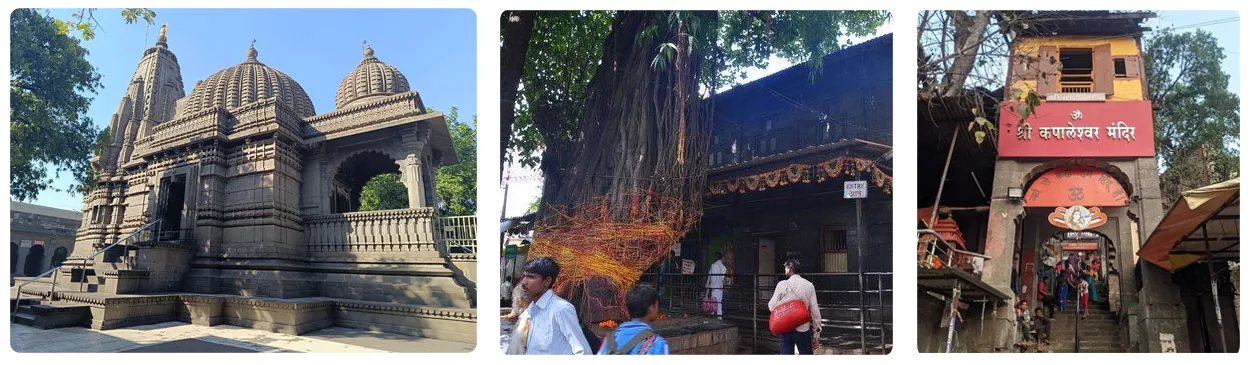
Panchavati is one of the most important areas to include in a Nashik sightseeing plan. Located along the Godavari River, it contains several religious landmarks linked to Hindu traditions and the Ramayana.
The name Panchavati is traditionally connected with five banyan trees. Maharashtra Tourism identifies Kalaram Temple and Sita Gufa among the area’s important attractions.
Kalaram Temple
Kalaram Temple is a prominent shrine dedicated to Lord Rama. The Nashik district administration states that the present temple was built in 1782 by Sardar Rangrao Odhekar on the site of an older wooden temple.
The temple’s dark stone architecture and religious significance make it a worthwhile stop for visitors interested in Nashik’s cultural heritage. It lies within Panchavati and is accessible from the city by local transport.
Sita Gufa
Sita Gufa, also known as Sita Gumpha, is a small cave shrine associated with the Ramayana. Local tradition connects it with Sita’s stay in the Panchavati area.
The entrance and interior involve narrow steps and confined spaces. Visitors with mobility concerns, claustrophobia or difficulty climbing should assess whether entering the cave will be comfortable for them. You can still explore the surrounding Panchavati area without going inside.
Kapaleshwar Mahadev Temple
Kapaleshwar Mahadev Temple is another worthwhile stop near the Ramkund area. It adds a Shiva shrine to a route that otherwise focuses heavily on Rama-related traditions.
Because these sites lie close to one another, Panchavati works well as a walking-based sightseeing circuit. Expect some congestion during weekends, festivals and busy pilgrimage periods.
3. Experience the Sacred Atmosphere of Ramkund
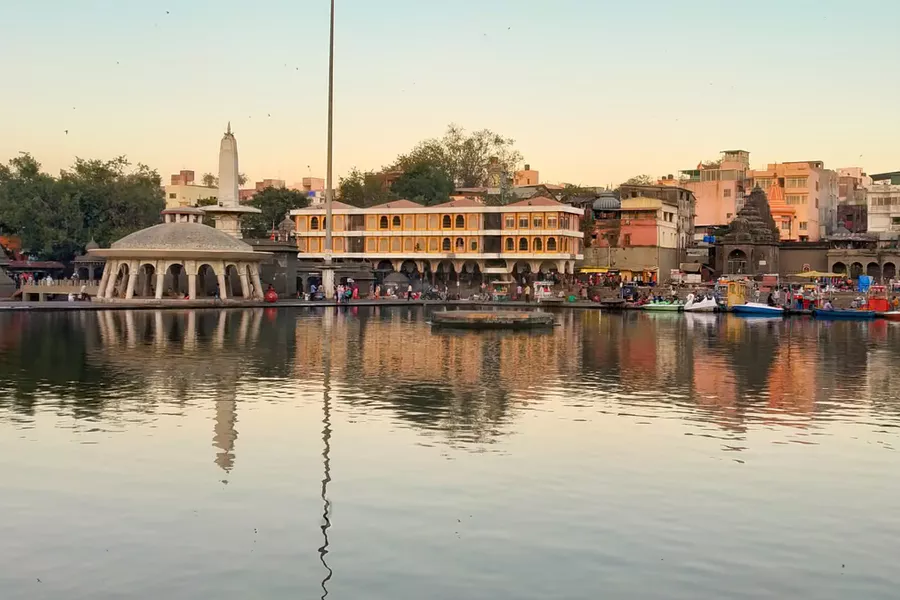
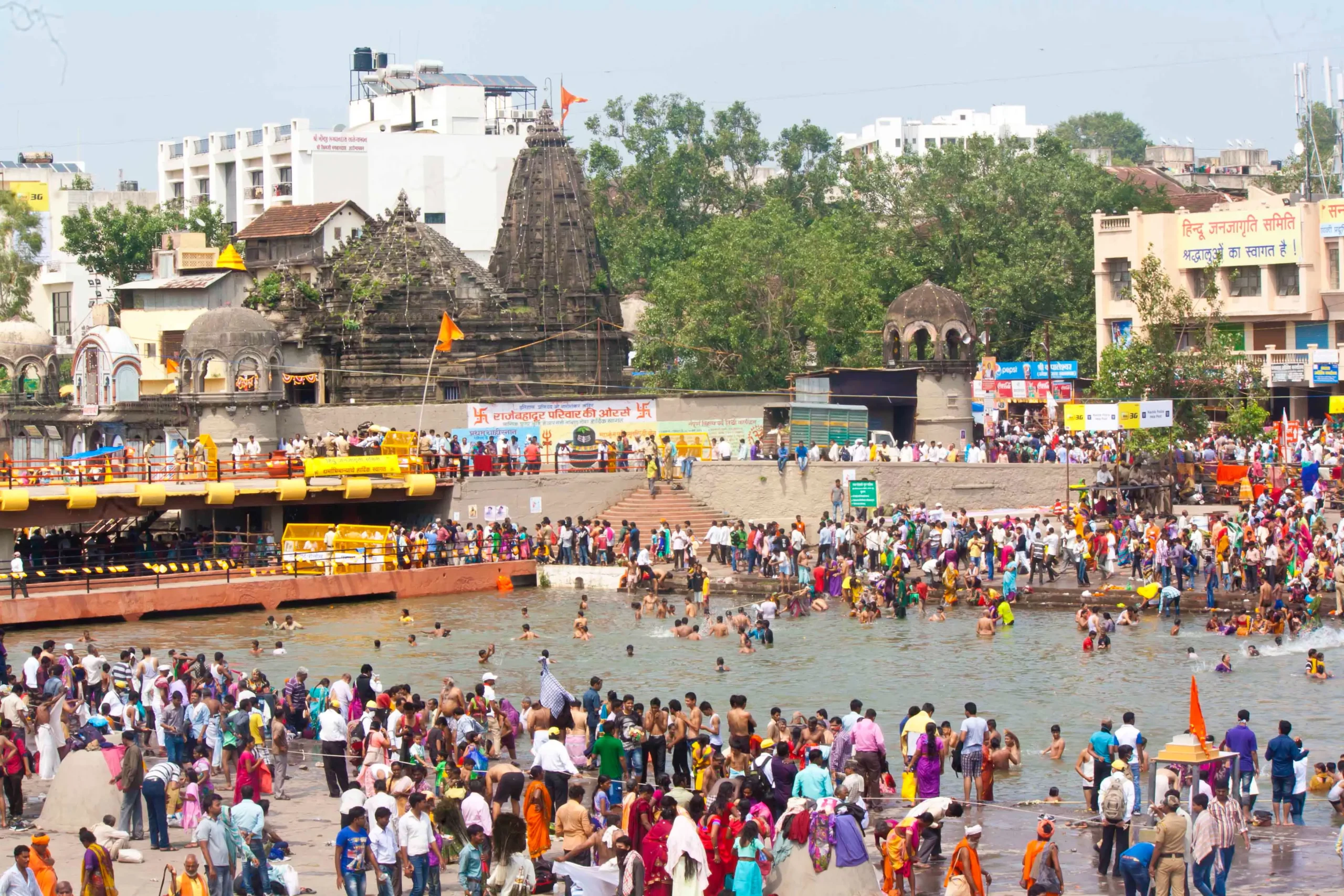
Ramkund is a sacred bathing site on the banks of the Godavari River in Panchavati. Hindu tradition associates the site with Lord Rama, and devotees visit to pray, perform religious rites and take part in rituals connected with their faith.
The district administration identifies Ramkund as an important religious landmark and records its location within the city.
What Should You Do at Ramkund?
- Walk around the riverfront and observe the traditional architecture.
- Learn about the site’s role in Nashik’s pilgrimage culture.
- Observe religious rites and families visiting the sacred water.
- Avoid photographing people during private ceremonies without permission.
- Do not obstruct ritual areas.
Ramkund fits naturally into a Panchavati walk. You can visit Kalaram Temple, Sita Gufa and nearby shrines on the same outing rather than arranging separate journeys for each attraction.
4. Enjoy a Vineyard Experience at Sula Vineyards
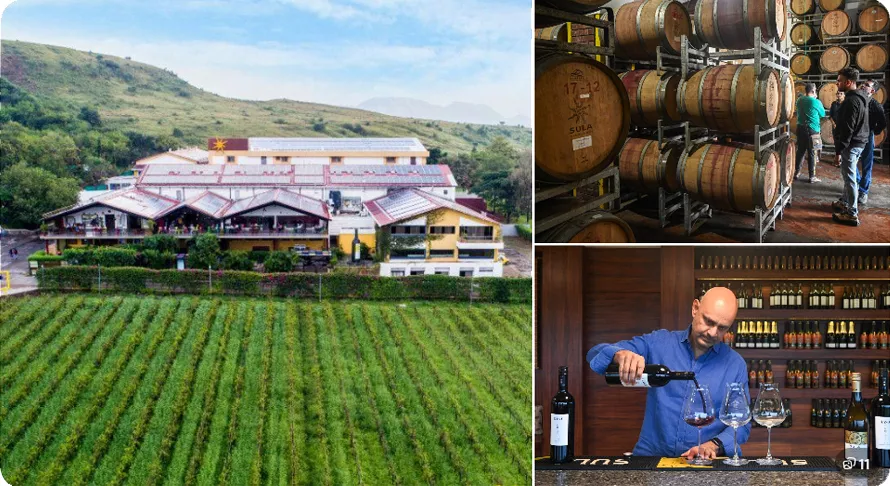
Nashik is widely associated with India’s wine industry, and vineyard visits offer an experience quite different from the city’s temples and historic streets.
Sula Vineyards, located near Govardhan on the Gangapur–Savargaon Road, is one of the region’s established wine-tourism destinations. Its visitor experiences include winery tours, tasting sessions, restaurants and scenic vineyard surroundings.
What Can Visitors Do at Sula?
Depending on availability, you can explore the winery, learn about the winemaking process, take part in a guided tasting or enjoy a meal on the property.
Sula’s official FAQ currently lists several experiences with different prices. When checked on 26 October 2026, it listed the following:
| Experience | Published Price |
|---|---|
| Redeemable entry coupon, weekdays | ₹600 per person |
| Redeemable entry coupon, weekends or prime days | ₹1,000 per person |
| Winery tour, weekdays | ₹200 per person |
| Winery tour, weekends and long weekends | ₹300 per person |
| Best of Sula tour and tasting, weekdays | ₹600 per person |
| Best of Sula tour and tasting, weekends and long weekends | ₹700 per person |
| Personalised tasting | ₹1,500 per person, for a minimum group of four |
These are prices published in Sula’s official visitor information, not guaranteed future rates. The entry coupon is redeemable at specified outlets on the same day, subject to the property’s terms. The winery also notes that tour and tasting capacity is limited. Check the official Sula FAQ before your visit.
Do You Need to Book in Advance?
Sula’s FAQ says day visitors can purchase entry at the property, while accommodation requires advance booking. Tour and tasting slots may have limited capacity, so advance planning is sensible, especially on weekends and during popular events.
Confirm current admission arrangements, tasting availability, age and identification requirements, restaurant access and special-event conditions before setting out.
Is Sula Suitable for Couples and Groups?
A vineyard outing can suit adult couples and groups interested in food, scenery and wine tourism. Non-drinkers can check whether the available dining and sightseeing options meet their interests.
Arrange a responsible transport plan before tasting wine. Do not drive after drinking, and do not assume every vineyard offers the same tours, restaurants or accommodation.
5. Explore the Ancient Pandavleni Caves
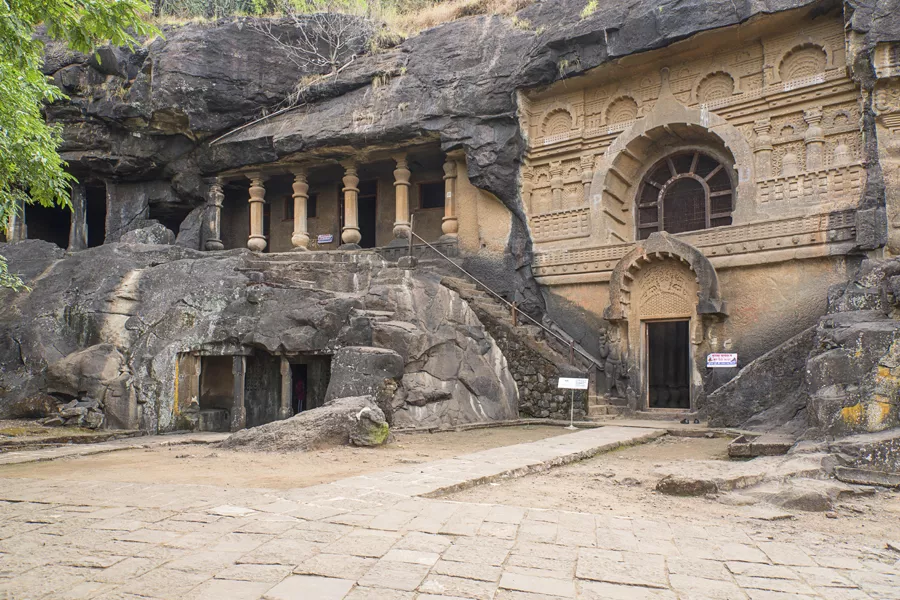
Pandavleni Caves, also known as Trirashmi Caves, offer one of Nashik’s most rewarding history-focused outings.
These rock-cut caves date from early Buddhist periods, with Maharashtra Tourism describing a span from the second century BCE to the sixth century CE. The complex includes caves associated with Buddhist religious life, meditation and monastic use.
Despite the popular name, the caves are not simply a group of sites associated with the Pandavas of the Mahabharata. Their archaeological context is primarily Buddhist.
What Makes the Caves Worth Visiting?
Look for carved entrances, pillars, inscriptions and evidence of how religious communities used rock-cut spaces. The hillside setting also provides views of the surrounding landscape and city.
Unlike Panchavati, where the main sights sit within an urban neighbourhood, Pandavleni requires a climb up the hill. The steps and uneven sections can make the visit tiring, especially in hot weather.
Practical Tips
- Allow roughly 1.5–2.5 hours for travel, the ascent and exploration, adjusting for your pace.
- Wear comfortable shoes with good grip and carry water.
- Older visitors and young children may need additional breaks.
- Check current access conditions and visiting hours before travelling.
- Avoid climbing wet or slippery sections during heavy rain.
For most travellers, Pandavleni works best as a morning stop followed by a relaxed afternoon in the city.
6. Go Trekking at Anjaneri Hills
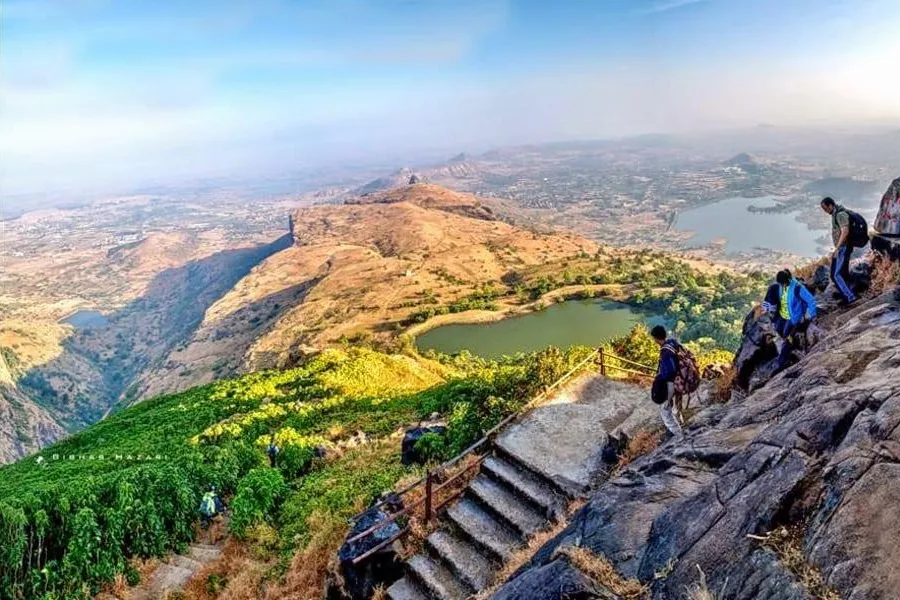
Anjaneri Hills appeal to outdoor enthusiasts who want to experience the landscapes beyond central Nashik. The hill has religious importance because local tradition identifies it as the birthplace of Lord Hanuman.
Maharashtra Tourism highlights the area’s combination of religious heritage and trekking routes. Visitors may encounter rocky terrain, hillside paths and views of the surrounding region.
What Should Trekkers Expect?
Treat Anjaneri as an outdoor excursion, not a quick roadside photo stop. The actual effort depends on the route, weather, trail condition and how far you walk.
- Wear suitable trekking shoes.
- Carry sufficient drinking water.
- Start early enough to avoid the strongest midday heat.
- Check weather conditions beforehand.
- Check local restrictions and current trail advice.
- Do not continue into unsafe conditions simply to reach a viewpoint.
The monsoon brings greener surroundings, but wet rock, mud and reduced visibility can make hiking more demanding.
Travellers who do not want a strenuous walk can skip the trek and focus on Trimbakeshwar’s temple area or the city’s more accessible attractions.
7. Visit Gangapur Dam and the Someshwar Area
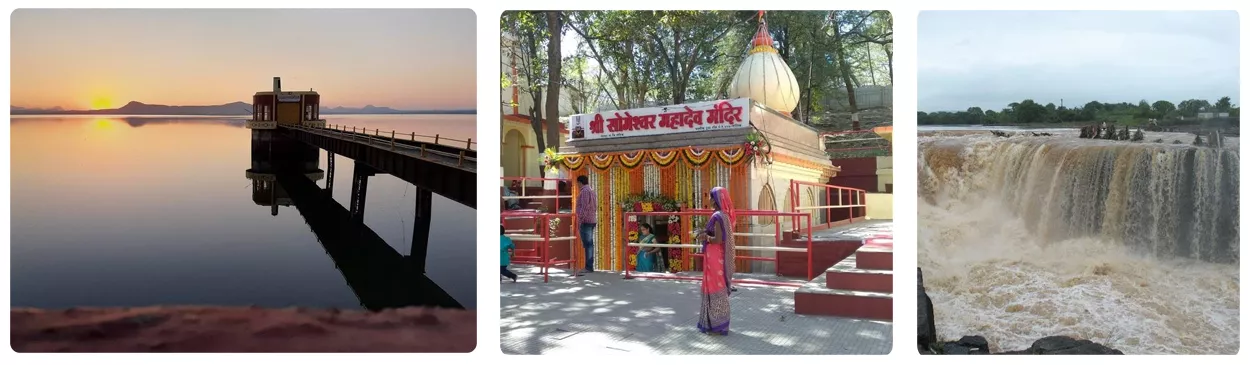
The Someshwar and Gangapur area offers an alternative to the busy central sightseeing circuit. Here, visitors can combine a temple visit with time in greener surroundings and, when conditions permit, views of the reservoir and nearby landscapes.
The Nashik district administration places Someshwar Temple about 8 km from the central bus stand. It identifies the temple as a shrine dedicated to Lord Shiva and Lord Hanuman beside the Godavari. The area is also associated with Dudhsagar Waterfall, a local seasonal attraction.
What Is Worth Doing Here?
- Visit Someshwar Temple and enjoy the surroundings.
- Look for publicly accessible viewpoints around the Gangapur area.
- Consider Dudhsagar Waterfall when it has suitable water flow and local access remains open.
- Check current weather, access and safety conditions before visiting.
Waterfalls are highly seasonal, and monsoon conditions can make rocks and steps slippery. Do not enter restricted dam infrastructure, cross safety barriers or assume swimming and boating are currently available.
This outing works well for travellers who want a slower pace without committing to a full trekking day.
8. Discover Nashik’s Historical and Cultural Heritage
Nashik’s heritage extends beyond its main temples and Pandavleni Caves. Visitors interested in archaeology, regional history and cultural institutions can add one carefully chosen site to their itinerary.
Coin Museum Near Anjaneri
The Coin Museum, associated with the Indian Institute of Research in Numismatic Studies, explores the history and development of Indian currency. The Nashik district administration places it on the Nashik–Trimbakeshwar Road, around 20 km from the city centre.
It is best for visitors who want a more focused historical experience. Check its current opening status and visiting hours before travelling, especially if you plan to combine it with Anjaneri or Trimbakeshwar.
Dadasaheb Phalke Smarak
The Dadasaheb Phalke memorial area lies near the base of Pandavleni Hill. It can add a cultural stop to the same general outing, although current facilities and access should be checked locally.
Muktidham Temple
Muktidham is another religious site in the Nashik region. It may appeal to visitors interested in temple architecture and representations of major Hindu deities.
Avoid packing every heritage site into one day. Choose the places that match your interests and allow enough time to appreciate each one.
9. Try Nashik’s Local Food
Food is an easy way to discover another side of Nashik. Start with Maharashtrian snacks and traditional meals rather than looking only for restaurants that serve familiar dishes from other parts of India.
Misal Pav
Misal pav is one of the regional dishes most closely associated with Nashik. It typically combines a spicy sprouted-legume curry with farsan or sev, accompaniments and pav.
Recipes and spice levels vary. Ask for a milder version if you prefer less heat, and try the dish at a time when you can enjoy it without rushing to your next attraction.
Other Dishes to Look For
Depending on the restaurant and its menu, you may find thalipeeth, sabudana preparations, poha, bhakri and Maharashtrian-style thalis. Local menus change from place to place, so treat these as dishes to look out for rather than a fixed list available everywhere.
For a regional food stop, Sadhana Chulivarchi Misal is one option listed in the Gangapur–Satpur Link Road area near Someshwar. Since it lies outside the central Panchavati circuit, it is more convenient when you already plan to explore that side of Nashik. Verify current opening hours before setting out.
10. Explore Local Markets and Shopping Areas
Markets add a useful break between major sightseeing stops. Nashik Municipal Corporation’s tourism information highlights the city’s markets for beaded jewellery and handicrafts.
Depending on the area and available shops, you can look for regional snacks, religious items, traditional goods and locally made products.
- Compare quality and prices before purchasing souvenirs.
- Pack food products according to their storage instructions.
- Ask before photographing shopkeepers or their goods.
- Keep small purchases and valuables secure in crowded areas.
- Check local opening hours if shopping is a key part of your itinerary.
A market visit usually works better as an informal stop than as a tightly timed activity. Leave room to browse and enjoy local food.
11. Visit Other Temples and Spiritual Sites
If religious heritage is your main reason for visiting Nashik, consider adding another site only when it fits your route.
Someshwar Temple
Someshwar Temple, near the Gangapur Dam route, provides a smaller-scale alternative to the major pilgrimage sites. Its riverside setting makes it a practical addition to an outing on the western side of the city.
Navasha Ganpati Temple
The district administration also identifies Navasha Ganpati Temple in the Anandwalli area along the route towards Someshwar. You can consider it if you are already exploring that part of Nashik.
Saptashrungi Gad
Saptashrungi Gad is a more substantial excursion outside the city. Maharashtra Tourism places it around 60 km from Nashik. The temple is dedicated to Goddess Saptashrungi Devi and attracts pilgrims throughout the year.
Because the journey takes you away from the central attractions, plan it as a separate trip rather than adding it to a packed day of Panchavati sightseeing.
12. Explore Places Near Nashik
The surrounding district offers additional options for travellers staying for two or three days. However, distances and terrain matter. These destinations do not all fit comfortably into one outing.
Trimbakeshwar
Distance: About 28 km from Nashik city.
Best for: Religious visitors, temple architecture and the sacred landscape associated with the origin of the Godavari.
Plan a separate excursion with time for travel and queues.
Anjaneri Hills
Best for: Trekking and outdoor experiences.
Give the hike sufficient time, and check weather and access conditions before leaving the city.
Igatpuri
Distance: Around 45 km from Nashik, according to district tourism information.
A separate outing for travellers interested in the Western Ghats landscape and a slower change of scenery. Choose suitable stops before departing rather than assuming every attraction lies close to the main road.
Dugarwadi Waterfall
Location: Around the Trimbakeshwar area.
This waterfall is especially associated with the monsoon season. Check local access, rainfall and safety conditions before visiting.
Saptashrungi Gad
Distance: Around 60 km from Nashik.
A religious excursion for visitors interested in Shakti traditions. Allow dedicated travel time instead of combining it with the city’s main sightseeing route.
Best Things to Do in Nashik for Different Travellers
Things to Do in Nashik for Couples
Couples can build a relaxed itinerary around a vineyard visit, a meal at a suitable restaurant, a walk through a scenic public area and selected cultural attractions.
Sula is a strong option for adults interested in winery experiences. Check tasting availability before visiting, and arrange safe transportation if either person plans to drink alcohol.
Things to Do in Nashik with Family
Families can focus on Panchavati, Ramkund, selected temples and Pandavleni Caves. The temple area offers cultural interest, while the caves provide a different kind of experience for children who enjoy history and walking.
However, Pandavleni involves an uphill climb, and Sita Gufa has confined access. Families travelling with small children or older relatives should account for these limitations.
Things to Do in Nashik with Friends
A group can combine food stops, sightseeing, a winery tour for eligible adults and a nature outing. Decide beforehand whether the group prefers a city-focused plan or a longer drive.
For vineyard visits, check current visitor policies and arrange a designated driver or other suitable transport.
Things to Do in Nashik for Solo Travellers
Solo travellers can explore the Panchavati area, visit Pandavleni during suitable daylight hours and arrange transport for out-of-town attractions.
Share your plans with someone you trust, keep your phone charged, check the return journey before starting a hike and use established transport options. For unfamiliar trails, seek current local guidance rather than relying solely on old online directions.
Things to Do in Nashik for Spiritual Travellers
Prioritize Trimbakeshwar Jyotirlinga Temple, Panchavati, Kalaram Temple, Ramkund and other shrines that align with your interests.
If you intend to perform a specific ritual, confirm the requirements through the relevant temple or qualified local authority beforehand.
Things to Do in Nashik for Nature Lovers
Consider Anjaneri Hills, the Someshwar area, the surroundings of Gangapur Dam and a seasonal waterfall outing. Choose based on your fitness and the weather rather than assuming every outdoor attraction offers an easy walk.
Things to Do in Nashik in One Day
A single day works best when you focus on the city rather than trying to cover every nearby destination.
Suggested One-Day Nashik Itinerary
| Time | Activity | Planning Advice |
|---|---|---|
| 8:00–10:00 AM | Pandavleni Caves | Start early to make the climb more comfortable. Allow extra time if you prefer a slow pace. |
| 10:30 AM–12:30 PM | Travel to Panchavati and visit Kalaram Temple | Adjust for traffic and the time spent at the caves. |
| 12:30–1:30 PM | Lunch | Choose a restaurant convenient to Panchavati. |
| 1:30–3:30 PM | Sita Gufa, Ramkund and nearby shrines | Follow the walking route and allow additional time for crowds. |
| 3:30–5:00 PM | Local markets or a relaxed café stop | Use this as flexible time rather than adding another distant attraction. |
| Evening | Dinner or a return to your accommodation | Check local transport availability before the day gets late. |
This itinerary combines an archaeological site with the compact religious quarter of Panchavati. It does not include Trimbakeshwar or Sula Vineyards because adding either could make the day rushed.
Alternative: A One-Day Spiritual Trip
If Trimbakeshwar is your priority, leave early and devote the main part of the day to the temple and nearby sacred sites. Return to Nashik for Ramkund and Panchavati only if your schedule, queues and transport allow.
Do not try to fit a substantial Anjaneri trek and a long temple visit into the same day unless you have checked the routes and deliberately reserved enough time.
Things to Do in Nashik in Two Days
Two days provide a better balance between city sightseeing and a separate outing.
Day 1: Temples, History and Local Food
- Morning: Visit Pandavleni Caves and explore the rock-cut architecture. Start early, especially during warmer months.
- Late morning: Travel to Panchavati and visit Kalaram Temple.
- Afternoon: Have lunch, then explore Sita Gufa, Ramkund and nearby religious landmarks.
- Late afternoon: Browse local markets or take a food break.
- Evening: Enjoy dinner and return to your accommodation.
This day keeps most sightseeing within Nashik city and avoids unnecessary long-distance travel.
Day 2: Choose One Experience Based on Your Interests
Option A: Spiritual excursion
Start early for Trimbakeshwar Jyotirlinga Temple. Visit Kushavarta Tirtha if time and access allow, and leave room for queues and meals. You may return to Nashik for a short outing around Someshwar if the schedule remains comfortable.
Option B: Vineyard and scenic outing
Reserve a suitable visitor experience at Sula Vineyards, then explore the Someshwar area or an appropriate publicly accessible scenic viewpoint. Check winery availability and transportation before leaving.
Option C: Trekking and nature
Make Anjaneri Hills the main activity of the day. Check trail conditions, start early and avoid overloading the itinerary with additional long drives. If you prefer a lighter excursion, consider a suitable waterfall or scenic stop after confirming local access.
The best option depends on the season and your interests. A spiritual excursion, a winery visit and a substantial trek are different experiences, and trying to combine all three may leave too little time to enjoy any of them.
Best Time to Visit Nashik
Nashik offers year-round sightseeing opportunities, but weather makes a difference to outdoor activities.
| Season | What to Expect | Planning Advice |
|---|---|---|
| October to February | Generally more comfortable for walking, caves, temples and vineyard visits | A good choice for travellers who want to combine city and outdoor sightseeing. |
| March to June | Warmer conditions, particularly during the hotter part of the season | Visit outdoor attractions early and reduce midday exertion. |
| July to September | Monsoon greenery and seasonal waterfalls, with the possibility of heavy rain | Check trail, waterfall and road conditions carefully. |
Maharashtra Tourism currently lists July to March as a broad visiting window for Nashik, while its seasonal guidance also highlights the appeal of winter sightseeing and the green landscapes of the monsoon. For most travellers planning extensive walking or trekking, October to February offers a useful starting point.
The ideal time also depends on the activity. A temple visit does not require the same weather as a hillside trek, and monsoon scenery does not guarantee safe access to waterfalls.
How to Reach Nashik?
By Road
Nashik has road connections with other cities in Maharashtra and neighbouring states. Travellers can use intercity buses, private cars or taxis depending on their starting point.
Allow extra time during festival periods and weekends. Journey length depends on the route, traffic and departure city.
By Train
Nashik Road is the principal railway station for visitors travelling to the city. The Nashik district administration places it approximately 10 km from the city centre, although the actual transfer varies with your destination and accommodation.
Arrange a taxi, auto-rickshaw or other suitable transfer to your hotel. If your accommodation lies near a vineyard or on the outskirts, check the onward journey rather than assuming it will be a short transfer.
By Air
Ozar Airport, also known as Nashik Airport, lies approximately 24 km from the city centre according to the district administration. Commercial flight availability and routes can change, so verify current schedules before booking your onward accommodation and transport.
If no suitable flight serves your origin and dates, compare alternative airports with the complete onward journey in mind.
How to Get Around Nashik?
Your transport choice should reflect the locations you plan to visit.
- Walking: Useful for exploring the compact Panchavati area, although crowds and uneven surfaces can slow you down.
- Auto-rickshaws: Convenient for many short city journeys. Confirm the fare or payment arrangement before starting.
- Taxis or private vehicles: Helpful for combining Pandavleni, Trimbakeshwar, vineyards and other attractions spread across the district.
- Local buses: Worth checking for suitable city routes, although they may not provide the easiest connections for a tightly timed sightseeing plan.
A private car or pre-arranged taxi can simplify an itinerary that includes several attractions outside central Nashik. For a city-only trip, avoid unnecessary long-distance transfers and group nearby places together.
Where to Stay in Nashik?
Choose your accommodation according to the main purpose of your trip.
- Central Nashik or a convenient city location: Practical for visitors who want to explore Panchavati, Ramkund, local markets and city restaurants.
- Near Nashik Road: Useful if you arrive by train, particularly when you have an early departure or late arrival.
- Near the Gangapur Road or vineyard area: Consider this if wine tourism, scenic surroundings or an on-property stay forms the main purpose of your trip.
- Family-friendly accommodation: Check room occupancy, elevator access, parking, meal options and the distance to your planned attractions.
Verify the property’s current location, cancellation policy and availability before booking. Avoid relying on old prices or ratings reproduced in travel articles.
Budget for a Nashik Trip
The overall cost depends on how you travel, where you stay and which attractions you choose. A temple-focused city visit may involve fewer paid experiences than a trip that includes private transport, premium accommodation and vineyard tastings.
| Expense | What to Consider |
|---|---|
| Transport to Nashik | Train, bus, flight and onward transfer |
| Local transport | Autos, taxis, private vehicle hire or buses |
| Accommodation | Room category, location and number of nights |
| Meals | Local snacks, restaurants and any special dining |
| Attractions | Any current entry or guided-tour charges |
| Vineyard visit | Entry coupon, tasting, food and transport |
| Outdoor activities | Suitable footwear, water, guide or other verified requirements |
| Contingency | Additional travel time, weather changes and itinerary adjustments |
Sula’s visitor charges are a useful example of an expense that can vary between weekdays and weekends. Refer to the winery’s current official FAQ rather than using an old travel blog’s rates.
For other attractions, confirm fees and access arrangements with the relevant authority before departure. An accurate total requires your travel dates, group size, starting point and accommodation preferences, so a fixed price for every Nashik trip would be misleading.
Practical Travel Tips for Nashik
Keep these details in mind to make the trip smoother.
- Check opening hours before travelling. Temple schedules, museum access and local arrangements may change.
- Allow additional time for Trimbakeshwar. Queues and road conditions can affect how much sightseeing fits into the day.
- Book winery experiences sensibly. Confirm tour availability, prices and visitor requirements directly with the winery.
- Carry suitable footwear. Pandavleni and Anjaneri require more walking than a short visit to an urban temple.
- Prepare for the weather. Carry water, sun protection or rain gear according to the season.
- Respect religious customs. Observe temple rules and do not interrupt ceremonies for photographs.
- Follow outdoor safety guidance. Avoid slippery rocks, unsafe water access and restricted dam areas.
- Plan transportation before a vineyard visit. Use a designated driver or suitable alternative after consuming alcohol.
- Keep essential belongings secure. Crowded religious areas and markets require ordinary travel precautions.
- Adjust the itinerary to your group. Families with young children, older travellers and visitors with mobility needs may require shorter walks and more breaks.
The main rule is simple: prioritize a few well-chosen experiences instead of attempting to see every attraction in one trip.
Frequently Asked Questions
What Are the Best Things to Do in Nashik?
Visit Trimbakeshwar Jyotirlinga Temple, explore Panchavati and Ramkund, discover Pandavleni Caves, try local Maharashtrian food and enjoy a vineyard tour. If you have additional time, consider Anjaneri Hills, Someshwar Temple or a nearby waterfall when conditions allow.
What Is Nashik Famous For?
Nashik is known for its religious heritage, association with the Godavari River and Kumbh Mela, Trimbakeshwar Jyotirlinga Temple, Panchavati, ancient Buddhist caves and wine tourism. Its regional food scene adds another reason to spend time in the city.
Is Nashik Worth Visiting for a Weekend?
Yes. A weekend gives you time to explore Panchavati, Ramkund and Pandavleni Caves, then dedicate another day to Trimbakeshwar, a vineyard visit or a nature outing. Choose one main excursion instead of trying to combine every destination.
What Are the Best Places to Visit in Nashik in One Day?
For a city-focused day, combine Pandavleni Caves with Kalaram Temple, Sita Gufa, Ramkund and nearby Panchavati landmarks. If Trimbakeshwar is your priority, reserve most of the day for the temple and its immediate surroundings.
What Can Couples Do in Nashik?
Couples can explore Panchavati, enjoy local food, visit scenic public areas or plan a vineyard experience at Sula. Check current visitor arrangements and tasting availability, and arrange safe transport before drinking alcohol.
What Are the Best Things to Do in Nashik with Family?
Families can visit the main temples, walk around Panchavati, explore Ramkund and consider Pandavleni Caves if everyone is comfortable with the uphill climb. Check accessibility before entering confined spaces such as Sita Gufa.
Which Vineyards Can Visitors Explore Near Nashik?
Sula Vineyards is an established option with published winery tours and tasting experiences. Confirm current visitor terms and available experiences directly with the winery. Do not assume all vineyards offer the same facilities or entry arrangements.
What Is the Best Time to Visit Nashik?
October to February is a useful choice for comfortable sightseeing and outdoor walks. The monsoon brings greener landscapes and seasonal waterfalls, but rain can make hikes and outdoor routes less safe. The best month depends on your preferred activities.
How Many Days Are Enough for Nashik?
One day can cover a compact city sightseeing route. Two days provide time for both the main city attractions and one excursion. Three days are useful if you want to combine temples, vineyards and outdoor activities at a relaxed pace.
Is Trimbakeshwar Temple Located in Nashik City?
No. Trimbakeshwar Temple is in the town of Trimbak, approximately 28 km from Nashik city. Plan a separate drive and allow additional time for darshan queues and nearby religious sites.
Are Pandavleni Caves Suitable for Families?
They can suit families who are comfortable with walking and climbing steps. The ascent may be tiring for young children, older adults or people with mobility limitations. Check current access conditions and allow time for breaks.
What Local Food Should Visitors Try in Nashik?
Start with misal pav, a well-known Maharashtrian dish. Depending on the menu, you can also look for thalipeeth, poha, sabudana preparations, bhakri and traditional thalis. Spice levels and availability vary by restaurant.
How Can Travellers Reach Nashik?
You can travel by road or rail, and you may find a suitable flight to Ozar Airport depending on current airline schedules. Nashik Road railway station lies around 10 km from the city centre, while Ozar Airport lies about 24 km away. Verify transport details for your travel date.
What Places Can Be Visited Near Nashik?
Trimbakeshwar, Anjaneri Hills, Dugarwadi Waterfall, Igatpuri and Saptashrungi Gad are options in the wider region. They lie at different distances from the city, so select destinations according to your available time and current weather.
Should Visitors Book Vineyard Tours in Advance?
Check the winery’s current policy. Sula’s official FAQ states that visitors can purchase day-entry coupons at the property, but tour and tasting sessions have limited capacity. Booking or checking availability beforehand is sensible for weekends and peak dates.