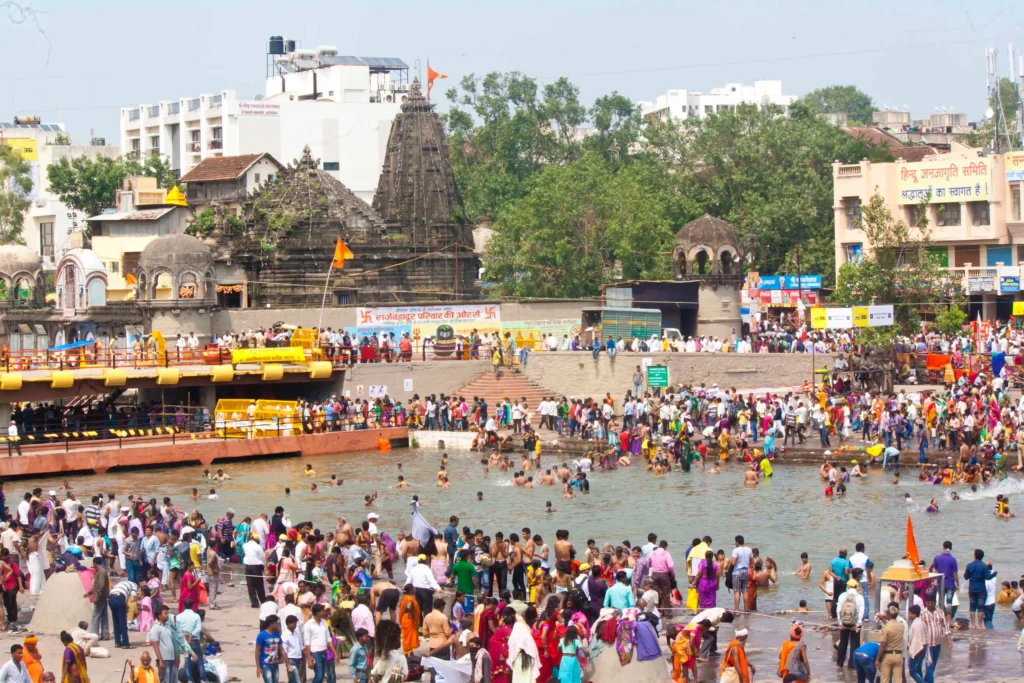
The Nasik Kumbh Mela 2027, also known as the Nashik–Trimbakeshwar Simhastha Kumbh Mela, is a major Hindu pilgrimage associated with the sacred Godavari River. It brings together devotees, saints, ascetics, religious orders, and visitors who come to participate in ritual bathing, worship, religious gatherings, and charitable activities.
According to the Nashik–Trimbakeshwar Kumbh Mela Authority’s interim plan, the event’s opening flag-hoisting ceremony is scheduled for 31 October 2026. The plan lists major Amrit Snan observances on 2 August and 31 August 2027, followed by bathing occasions on 11 September in Nashik and 12 September in Trimbakeshwar. The authority states that its plan remains subject to revision, so visitors should verify the latest schedule before travelling.
Beyond the dates, the pilgrimage holds deep religious and cultural meaning. The Godavari River, Ramkund, Panchavati, Trimbakeshwar Temple, and Kushavarta Kund all contribute to the region’s spiritual importance. This guide explains the event schedule, the beliefs behind the rituals, the main sacred locations, and how to prepare for a respectful visit.
What Is the Nasik Kumbh Mela?
The Kumbh Mela is a major Hindu religious gathering held at traditional pilgrimage locations in India according to religious and astrological traditions. The word kumbh means a pot or pitcher, while mela means a gathering or fair.
The Nashik–Trimbakeshwar gathering is known as Simhastha Kumbh. The name relates to traditional astrological associations with Simha, the zodiac sign Leo. The official Nashik District heritage page explains that the Kumbh tradition connects the timing of the pilgrimage with planetary positions and the sacred geography of each location.
For Nashik, the Godavari River is central to the pilgrimage. Devotees gather at river ghats to bathe, pray, and take part in religious observances. Trimbakeshwar, a separate town near Nashik, is also an important centre because of its temple and the sacred Kushavarta Kund.
The gathering involves more than ritual bathing. Visitors may encounter religious discourses, devotional singing, processions, spiritual discussions, charitable meals, and opportunities to observe different Hindu ascetic traditions. The programme and access arrangements vary by occasion.
Nasik Kumbh Mela 2027 Dates
The Nashik–Trimbakeshwar Kumbh Mela Authority published its first-edition plan in June 2026. The plan lists the principal dates, but its disclaimer says that the information reflects ongoing planning and may change. It does not represent a final or binding statement of every operational arrangement.
Important Dates Listed in the Official Interim Plan
| Event | Date or Period Listed | Location and Status |
|---|---|---|
| Ceremonial flag-hoisting and opening | 31 October 2026 | Nashik and Trimbakeshwar; listed in the interim plan |
| First major Amrit Snan | 2 August 2027 | Nashik and Trimbakeshwar; listed in the interim plan |
| Second major Amrit Snan | 31 August 2027 | Nashik and Trimbakeshwar; listed in the interim plan |
| Third major Amrit Snan | 11 September 2027 | Nashik; listed in the interim plan |
| Corresponding third bathing occasion | 12 September 2027 | Trimbakeshwar; listed in the interim plan |
| Closing ceremony | 29 July 2028 | Listed in the interim plan; subject to revision |
Important: These dates come from the authority’s official planning document, but the document itself is explicitly interim. Do not assume that the final bathing timetable, exact ceremony times, entry arrangements, or traffic rules have all been confirmed.
For the latest information, monitor the official Kumbh Mela plan and the Nashik–Trimbakeshwar Kumbh Mela Authority section.
Important Bathing Dates and Snan Rituals
Snan means bathing. In Hindu pilgrimage traditions, ritual bathing can represent purification, devotion, renewal, and a conscious act of faith. During the Kumbh Mela, many devotees regard bathing in the sacred river on an auspicious occasion as especially meaningful.
The significance of a bathing occasion depends on the religious tradition, the location, and the timing associated with it. Some occasions are connected with major ceremonial gatherings involving akharas and religious leaders. Other visitors may choose to bathe, pray, or visit a temple at another permitted time.
Why Do Pilgrims Take a Holy Bath?
For many devotees, a holy bath is an expression of faith and a way to begin or renew a spiritual commitment. Religious traditions associate sacred rivers with purification and divine grace. The Nashik District heritage page describes the belief that bathing in the Godavari can help devotees seek spiritual purification and liberation. This is a religious belief, not a scientifically measurable guarantee of a particular spiritual outcome.
Visitors should also understand that the religious importance of a bathing day does not override safety instructions. The authority may establish designated access routes, controlled entry points, or other crowd-management arrangements. Follow current instructions rather than relying on information from a previous Kumbh Mela.
What Is the Difference Between a General Snan and a Major Ceremonial Snan?
A general Snan is a ritual bath undertaken by an individual or group. A major ceremonial bathing occasion may include formal processions and participation by religious orders, with arrangements made for crowd movement and the sequence of ceremonies.
The terms used for these occasions can differ between traditional and administrative communications. Check the official programme to confirm the name, date, and location of a specific event.
Spiritual Significance of the Nashik Kumbh Mela
For many Hindu devotees, the Kumbh Mela provides an opportunity to deepen their faith through pilgrimage, bathing, prayer, learning, and service. Its importance lies not only in the gathering itself but also in the personal and community practices that take place around it.
Purification and Renewal
Devotees may approach ritual bathing as a symbolic or spiritual act of purification. Some believe that bathing in a sacred river on an auspicious occasion can help cleanse past sins or support their journey towards liberation. Interpretations differ, and not every pilgrim expresses the meaning in the same way.
Devotion and Spiritual Discipline
A pilgrimage often requires time, planning, patience, and commitment. Visitors may use the journey to focus on prayer, mantra chanting, meditation, temple worship, or reflection. Ascetics and religious practitioners may follow their own disciplines and teachings.
Religious Learning
The Kumbh Mela brings together people from different spiritual lineages and religious communities. Discourses, discussions, devotional singing, and gatherings with teachers may give visitors opportunities to learn about traditions and religious ideas.
Charity and Service
Seva, or selfless service, is an important value in many Hindu traditions. During large pilgrimages, charitable meals, donations, assistance for fellow pilgrims, and volunteer service may form part of the wider community experience. The availability and organization of these activities vary.
Community and Shared Faith
The event creates a setting in which pilgrims from different regions gather around shared religious practices. For many visitors, the experience includes the atmosphere of prayer, the presence of saints and ascetics, and participation in a long-standing pilgrimage tradition.
Why Is Nashik Important for Kumbh Mela?
Nashik is one of the traditional Kumbh Mela locations. Its significance comes from the Godavari River, its sacred bathing ghats, the Panchavati area, and its connection with Trimbakeshwar.
The Kumbh Mela Authority’s plan identifies Ramkund in Nashik and Kushavarta Kund in Trimbakeshwar as important pilgrimage locations. It also explains that Trimbakeshwar lies approximately 30 km from Nashik city and has a distinct role in the wider event.
The Godavari River
The Godavari is often called the Dakshin Ganga, or Ganga of the South, in religious and cultural traditions. Its association with Trimbakeshwar and the surrounding sacred geography makes it central to the Nashik Kumbh Mela.
Panchavati and the Ramayana Tradition
Panchavati is associated with the Ramayana tradition and with accounts of Lord Rama’s period of exile. This religious association contributes to Nashik’s importance as a pilgrimage destination. Such accounts belong to sacred narrative and tradition and should not automatically be treated as independently established archaeological history.
Trimbakeshwar Temple
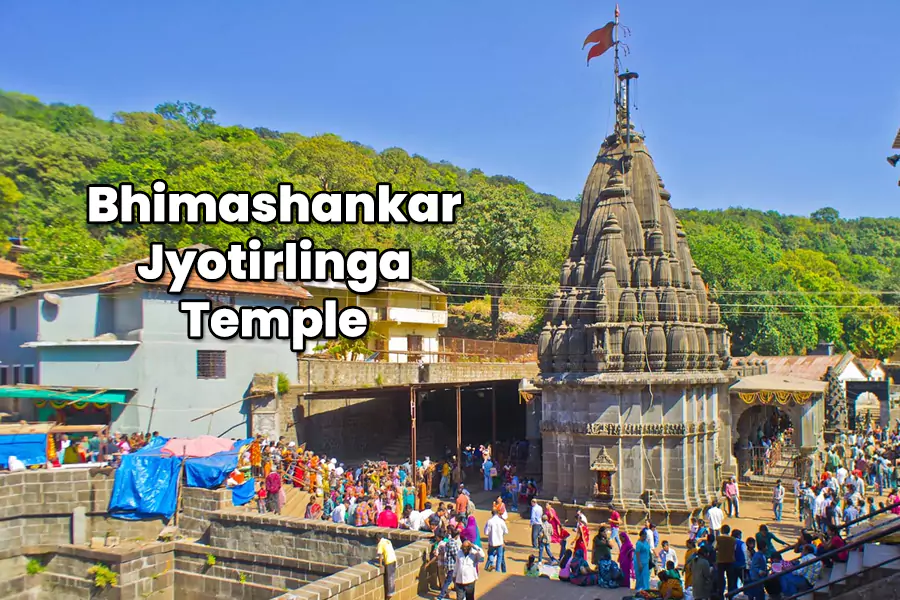
Trimbakeshwar is home to one of the twelve Jyotirlingas associated with Lord Shiva. The temple gives the town a major place in Shaiva pilgrimage traditions. Its association with the origin of the Godavari and with Kushavarta Kund further connects it to the Kumbh gathering.
Two Locations, One Wider Pilgrimage
Nashik and Trimbakeshwar are connected through the Simhastha tradition, but they are not the same place. Ramkund and the Godavari ghats serve the Nashik pilgrimage area, while Trimbakeshwar Temple and Kushavarta Kund form a separate sacred centre.
This distinction matters when planning a visit. A ceremony at one location does not mean that the same activity takes place at the other at the same time.
The Legend and Tradition Behind the Kumbh Mela
The traditional explanation of the Kumbh Mela is linked to Samudra Manthan, the churning of the cosmic ocean described in Hindu sacred narratives.
In this story, devas and asuras churn the ocean to obtain treasures and amrita, the nectar associated with immortality. Lord Vishnu appears in different forms within the wider narrative, while Lord Shiva is associated with consuming the deadly poison that emerges during the churning.
The Kumbh tradition connects the nectar pot with four sacred pilgrimage locations: Haridwar, Prayagraj, Nashik–Trimbakeshwar, and Ujjain. In the traditional account, the nectar was carried or placed at these locations during the struggle surrounding the pot. The details and interpretations may vary across religious retellings.
The Nashik District administration presents this Samudra Manthan story as part of the Kumbh Mela’s mythological significance. It is best understood as a sacred narrative that explains the religious meaning of the pilgrimage, rather than as a modern historical record of a literal event.
This story helps explain why the Kumbh is associated with sacred water, auspicious timing, and the hope of spiritual renewal. For devotees, the narrative can provide a meaningful context for visiting the river and participating in ritual observances.
Major Rituals of the Nasik Kumbh Mela
The Kumbh Mela includes several forms of worship and religious activity. Not every visitor takes part in every ritual, and some ceremonies are conducted by particular religious orders or under specific arrangements.
1. Holy Bathing or Snan
Holy bathing is one of the central practices associated with the Kumbh Mela. Devotees may bathe in the Godavari at designated locations in Nashik or participate in the observances associated with Trimbakeshwar.
Many pilgrims regard the act as a way to express devotion and seek spiritual purification. Visitors should use only permitted bathing areas and follow instructions from event staff and authorities.
2. Shahi Snan or Amrit Snan
Shahi Snan and Amrit Snan are terms used for major ceremonial bathing occasions associated with the Kumbh tradition. These occasions may involve religious processions and participation by akharas and their leaders.
Terminology can vary across historical usage and current official communications. For the 2027 event, use the name given in the latest official programme when referring to a particular date.
The authority’s interim plan lists the main Amrit Snan dates, but exact ceremony times and detailed access arrangements should be checked separately.
3. Religious Processions
Processions provide a public expression of the religious traditions represented at the gathering. They may feature saints, ascetics, religious leaders, and members of participating akharas.
Visitors should watch from permitted areas, avoid obstructing the procession, and follow instructions from event personnel. Do not assume that all processions follow the same route or timetable.
4. Puja and Prayers
Puja refers to acts of worship offered to a deity or sacred form. Depending on personal tradition and the setting, worship may involve prayers, offerings, lamps, flowers, or other customary practices.
Visitors can observe public worship respectfully. If they wish to participate in a temple ritual, they should check the temple’s current procedures rather than assume that every ritual is open to every visitor.
5. Mantra Chanting and Devotional Singing
Mantra chanting, bhajans, and kirtans are forms of devotional practice found in many Hindu traditions. They can help participants focus their attention, express devotion, and join a collective act of worship.
Such activities may take place in religious camps, temples, or gathering spaces. Their schedules and accessibility depend on the programme and the organizers.
6. Charity and Seva
Charitable service is another part of the wider pilgrimage tradition. Some people offer food, provide assistance to pilgrims, donate to religious or charitable institutions, or volunteer in community services.
Visitors who want to contribute should check the identity and work of the organization before donating. Do not assume that every person collecting money at the event represents an official authority or recognized charity.
7. Temple Visits
Many pilgrims combine bathing with visits to sacred places such as Trimbakeshwar Temple and other local religious sites. The sequence depends on their beliefs, itinerary, and the access arrangements in place.
Check current temple information before travelling, especially if you intend to attend a specific puja or religious ceremony.
Important Sacred Places to Know About
The wider Nashik Kumbh Mela pilgrimage includes several locations with distinct religious roles.
Ramkund, Nashik
Ramkund is a sacred bathing location on the Godavari River and a focal point of the Nashik pilgrimage. It is associated with traditional stories about the sacred nectar and with other Hindu rites. Access during the event will depend on the official arrangements.
Panchavati
Panchavati is a major religious area associated with the Ramayana tradition. Visitors may include it in a wider Nashik pilgrimage, but they should check local access arrangements and the opening status of individual sites.
Trimbakeshwar Jyotirlinga Temple
Trimbakeshwar Temple is one of the twelve Jyotirlinga pilgrimage sites associated with Lord Shiva. It gives Trimbakeshwar an important place in the region’s religious life beyond the Kumbh period.
Kushavarta Kund, Trimbakeshwar
Kushavarta Kund is a sacred bathing location associated with the Godavari and the Trimbakeshwar pilgrimage. The authority’s plan identifies it as a key site for the Trimbakeshwar Kumbh observances.
These sites should not be treated as interchangeable. A visitor planning to attend a particular bathing occasion should confirm its location, the permitted entry route, and the expected crowd-management arrangements.
What Happens During a Kumbh Mela Day?
There is no single daily timetable that applies to every visitor or every day of the Kumbh Mela. Activities depend on the date, location, religious programme, and any arrangements issued by the authorities.
A visitor may encounter:
- Morning worship or prayer.
- Ritual bathing at permitted locations.
- Visits to temples and sacred ghats.
- Religious discourses and spiritual discussions.
- Processions on designated occasions.
- Devotional singing and chanting.
- Charitable meals or service activities, where available.
- Gatherings organized by religious orders and communities.
Major bathing days may involve different crowd arrangements from ordinary days. Some activities may be restricted to designated areas or scheduled times. Do not rely on a generic online itinerary as a confirmed programme for 2027.
Who Can Attend the Nashik Kumbh Mela?
The pilgrimage attracts people with different religious backgrounds, levels of experience, and reasons for visiting. Some attend for ritual bathing, others for temple worship, spiritual learning, cultural observation, or the opportunity to experience a major religious gathering.
First-Time Visitors
Learn about the location and the customs before arriving. Plan which sites you want to visit, check the schedule, and leave enough time to move between locations.
Families
Choose a manageable itinerary and establish a meeting point in case family members become separated. Supervise children closely in crowded areas and near water.
Senior Citizens
Consider walking distances, seating, toilet access, weather, and the ability to rest. Check current accessibility arrangements rather than assuming every bathing location will suit visitors with limited mobility.
International Visitors
Review official travel guidance and any applicable entry or identification requirements. Respect local customs, ask permission before taking photographs of people, and seek information from reliable sources when uncertain about a ritual.
Solo Travelers
Keep your accommodation and transport details available, follow official routes, and avoid entering restricted areas. If you wish to observe a private religious ceremony, ask the organizers whether visitors may attend.
The authority may introduce specific registration, identification, or access procedures for certain activities. Check the current official notices rather than assuming a requirement applies to every visitor.
How to Participate in Rituals Respectfully?
A respectful visit begins with an understanding that religious practices can differ between communities and locations.
- Follow local customs. Observe what participants do and ask a knowledgeable organizer if you are unsure.
- Respect processions. Stay outside restricted areas and do not block the route for photographs.
- Ask before taking photographs. Some people may not want their pictures taken, particularly during private or devotional activities.
- Dress appropriately. Choose clothing suitable for a religious setting and the weather.
- Respect personal space. Avoid pushing or interrupting people who are praying.
- Keep sacred areas clean. Use designated waste bins and do not leave offerings or plastic where they can pollute the river.
- Follow official instructions. Temporary rules may differ from customary practices at other times of the year.
These are general etiquette recommendations. Any formal restrictions, photography rules, or access conditions should be checked through current official instructions.
Safety Tips for Holy Bathing
Large religious gatherings require care, particularly around water and crowded access points. A sacred bathing location may have strong currents, slippery steps, changing water levels, or restricted entry routes.
Before bathing:
- Check the latest local safety instructions and river conditions.
- Use only designated bathing areas.
- Avoid entering the water if authorities have restricted access.
- Do not push through a crowd or attempt to reach a bathing point against the flow of people.
- Keep children and anyone who needs assistance under close supervision.
- Follow instructions from lifeguards, police, and event personnel.
- Seek help from official staff if you become separated from your group or need medical assistance.
The Kumbh Mela Authority’s interim plan includes proposals for river-safety infrastructure and crowd-management measures. These plans show the importance of safety planning, but they do not replace current on-site instructions.
How to Plan Your Visit to Nashik Kumbh Mela 2027?
Planning ahead can help you avoid confusion, especially if you intend to attend a major bathing occasion.
Confirm Your Dates
Start with the official Kumbh Mela plan. Check it again before booking non-refundable transport or accommodation because the document is subject to revision.
Decide Which Locations You Want to Visit
Nashik and Trimbakeshwar have different sacred sites and may host observances on different days. Identify the ceremony or location that matters most to you before planning the rest of your trip.
Arrange Transport and Accommodation
Choose accommodation based on your intended pilgrimage locations and arrival arrangements. Check current transport notices and do not assume that ordinary driving routes will remain available during major bathing days.
Allow Extra Time
Large crowds may affect walking, transfers, queues, and entry points. Avoid building an itinerary that depends on reaching several locations at exact times.
Prepare for the Weather
The major bathing period listed in the authority’s plan falls in August and September, during the monsoon season. Check the forecast close to departure, carry suitable footwear and rain protection, and follow any weather-related warnings.
Keep Essential Information Accessible
Carry your identification, accommodation details, relevant contact numbers, essential medicines, and a written meeting point if travelling in a group.
Monitor Official Updates
Use the Nashik–Trimbakeshwar Kumbh Mela Authority website and the official plan for event information. For local travel and destination information, consult the Nashik District administration.
Final Thoughts
The Nasik Kumbh Mela 2027 is a significant pilgrimage shaped by the sacred Godavari River, the traditions of Simhastha, and the religious importance of Nashik and Trimbakeshwar. Ritual bathing, ceremonial processions, prayer, religious learning, and service all contribute to its meaning for many devotees.
The dates listed in the authority’s interim plan provide a useful starting point, but visitors should continue checking official announcements before finalizing their plans. Understanding the differences between Nashik and Trimbakeshwar, learning about the rituals, and respecting local instructions can help make the pilgrimage more informed and considerate.
10. Verified Date and Bathing Schedule Table
This table is repeated separately for editorial use and quick reference.
| Event Detail | Date Listed in Official Interim Plan | Verification Note |
|---|---|---|
| Opening flag-hoisting ceremony | 31 October 2026 | Listed in the Authority’s first-edition plan |
| First major Amrit Snan | 2 August 2027 | Listed for Nashik and Trimbakeshwar |
| Second major Amrit Snan | 31 August 2027 | Listed for Nashik and Trimbakeshwar |
| Third major Amrit Snan in Nashik | 11 September 2027 | Listed for Nashik |
| Corresponding bathing occasion in Trimbakeshwar | 12 September 2027 | Listed for Trimbakeshwar |
| Closing ceremony | 29 July 2028 | Listed in the interim plan; subject to revision |
| Exact times and detailed access arrangements | Verify separately | Do not infer from the date table |
Frequently Asked Questions
When Is Nasik Kumbh Mela 2027?
The authority’s interim plan lists the opening flag-hoisting ceremony for 31 October 2026. The main Amrit Snan dates are listed for August and September 2027. Check the latest official plan before travelling because the schedule remains subject to revision.
What Are the Nashik Kumbh Mela 2027 Bathing Dates?
The interim plan lists 2 August and 31 August 2027 for Nashik and Trimbakeshwar, followed by 11 September in Nashik and 12 September in Trimbakeshwar. Verify the latest official programme for changes and access details.
Where Does the Nashik Kumbh Mela Take Place?
The pilgrimage centres on Nashik city, including Ramkund and the Godavari ghats, and Trimbakeshwar, where Trimbakeshwar Temple and Kushavarta Kund are important sacred sites. The location of a specific ceremony should be checked in the current programme.
Why Is Nashik Important for Kumbh Mela?
Nashik is one of the traditional Kumbh Mela locations. Its importance comes from the Godavari River, sacred bathing ghats, Panchavati’s religious associations, and its connection with Trimbakeshwar.
What Is the Spiritual Significance of the Godavari River?
Many devotees regard the Godavari as a sacred river associated with purification and divine grace. Its religious significance is linked to traditional accounts of its origin near Trimbakeshwar and to the pilgrimage practices observed along its banks.
What Is Shahi Snan or Amrit Snan?
These terms refer to major ceremonial bathing occasions associated with the Kumbh tradition. They may involve processions and participation by religious orders. Check the official programme for the terminology and arrangements used for each 2027 observance.
What Rituals Are Performed During the Nashik Kumbh Mela?
Common observances include holy bathing, puja, prayer, mantra chanting, devotional singing, temple visits, religious processions, and charitable service. Participation depends on personal tradition and the arrangements for each event.
What Is the Difference Between Nashik and Trimbakeshwar During the Pilgrimage?
Nashik city is associated with Ramkund and the Godavari ghats. Trimbakeshwar is a separate town known for Trimbakeshwar Temple and Kushavarta Kund. Both form part of the wider Simhastha pilgrimage, but individual ceremonies may take place at different locations.
Is Registration Required to Attend the Nashik Kumbh Mela?
Do not assume that registration is either universally required or unnecessary. Check current official notices for any registration, identification, access, or booking requirements that apply to your intended activity.
Where Can Visitors Find the Official 2027 Schedule?
Start with the official Kumbh Mela plan and the Nashik–Trimbakeshwar Kumbh Mela Authority page. Check the publication date and any subsequent updates.
Can First-Time Visitors Attend the Kumbh Mela?
First-time visitors can plan a visit by learning about the pilgrimage locations, checking the official schedule, and following local instructions. They should not assume that every ceremony is open to public participation or that all areas remain accessible throughout the event.
What Should Visitors Know Before Taking a Holy Dip?
Use only designated bathing areas, follow local safety instructions, supervise children, and avoid entering restricted water zones. Check current river conditions and seek help from authorized personnel if you need assistance.
Which Temples and Sacred Places Are Associated with the Pilgrimage?
Ramkund, Panchavati, Trimbakeshwar Jyotirlinga Temple, and Kushavarta Kund are among the important places associated with the wider Nashik–Trimbakeshwar pilgrimage. Check access arrangements for individual locations before visiting.
How Can Visitors Prepare for Crowds?
Check official updates, plan accommodation and transport, allow extra time, agree on a meeting point with your group, and follow designated routes. Avoid relying on fixed journey times during major bathing occasions.
15. Can Event Dates or Bathing Schedules Change?
Yes. The authority describes its Kumbh Mela plan as interim and subject to revision. Check the latest official document before booking travel or relying on a particular ceremony time.