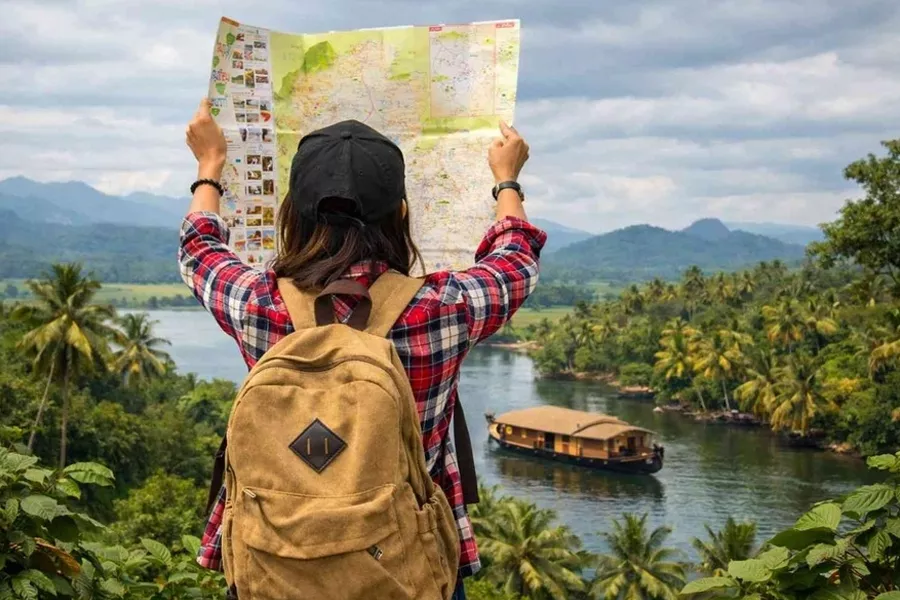
Kerala can be an appealing choice for solo travellers in 2026 because it combines beaches, backwaters, tea-growing hills, heritage towns and wildlife with a range of accommodation and transport options. However, current tourism figures do not prove that solo travellers are choosing Kerala over North India as a group. The better question is whether Kerala fits your travel style, budget and comfort level better than destinations such as Rishikesh, Jaipur, Dharamshala or Varanasi.
For travellers who want coastal scenery, nature, local food and a slower itinerary, Kerala deserves serious consideration. North India may suit those who prefer Himalayan adventures, historic forts, major pilgrimage centres, desert landscapes or the cultural life of the Ganges.
The right destination depends on what you want to experience, how much time you have and how you prefer to travel.
Is Kerala Really Becoming More Popular With Solo Travellers in 2026?
Kerala’s tourism sector recorded strong visitor numbers in 2025. Figures released by the state tourism department in February 2026 reported 25.88 million tourist visits, including 25.06 million domestic visits and approximately 822,000 foreign visits. Domestic visits increased by 12.46% compared with 2024.
These figures support the conclusion that Kerala’s wider tourism sector has grown. They do not establish how many visitors travelled alone, whether solo trips increased specifically in Kerala, or whether travellers switched from North Indian destinations.
Industry reports also indicate growing interest in independent travel among Indian women. For example, Zostel reported 92,192 solo female bookings on its platform in 2025, compared with 33,357 in 2018. This is useful evidence of activity on that company’s platform, not a nationwide count or proof that Kerala benefits more than North India.
The sensible conclusion is that independent travel is an important audience to consider, and Kerala tour offers experiences that can suit this audience. Whether it is becoming the preferred choice over North India remains unproven by the available evidence.
Why Kerala Appeals to Solo Travellers?
1. Different experiences within one state
Kerala offers a useful mix of landscapes and activities. You can explore Fort Kochi’s heritage streets, visit the tea estates around Munnar, take a backwater cruise near Alappuzha, or spend time on the coast at Varkala.
Wildlife areas and forested landscapes add another option for nature lovers. The variety makes it possible to plan a trip around a particular interest or combine several experiences without travelling across the entire country.
However, the destinations are not all close together. Munnar and Wayanad, for example, sit in different parts of the Western Ghats. A short trip works better when you choose a compact route rather than trying to see everything.
2. Opportunities to travel independently
Independent travel becomes easier when visitors can combine public transport, established accommodation areas and organized local activities.
Kerala has a railway network, state-run and private buses, auto-rickshaws, taxis and ferries on selected routes. These options can help solo travellers avoid hiring a private vehicle for every journey. Major urban and tourist areas also offer a range of accommodation and visitor services.
Still, transport convenience varies by destination. A train may work well between coastal towns, while reaching a hill resort or remote trailhead may require a bus connection, taxi or prearranged transfer.
Before booking accommodation, check the nearest station or bus stop, the final transfer, and the arrival time. A low room rate may not offer good value if reaching the property requires an expensive taxi.
3. Nature and slower travel
Kerala works well for travellers who prefer to spend more time in fewer places.
Munnar offers tea-growing landscapes and cool hill-country surroundings. Varkala combines a coastal setting with cliffside cafés and beach access. Alappuzha provides opportunities to explore the backwaters by boat, while Wayanad appeals to visitors interested in forests, waterfalls and outdoor activities.
These destinations support different styles of solo travel. Someone who enjoys photography might spend a morning walking through a heritage neighbourhood, while another traveller may prefer a guided nature walk or an afternoon on the water.
You do not need to fill every day with sightseeing. Staying an extra night can reduce transfer costs and leave more time for the destination itself.
4. Food, heritage and local culture
Solo travel gives you flexibility over when and where to eat, which attractions to visit and how long to spend exploring.
In Kerala, travellers can sample regional dishes, visit local markets, explore historic neighbourhoods and learn about traditional performing arts. Fort Kochi and Mattancherry suit people interested in architecture and history, while Kozhikode offers a different experience centred on markets, food and coastal culture.
Local festivals and cultural performances can add depth to a trip, but dates, admission rules and availability should be checked before travel.
Respect local customs, ask before photographing people, and choose cultural activities that treat performers and communities fairly.
5. A range of accommodation choices
Solo travellers can choose among hostels, guesthouses, homestays, hotels and organized retreats, depending on the destination and season.
Hostels may suit backpackers who want shared facilities and opportunities to meet other travellers. Homestays can provide a more local setting, while private rooms offer additional privacy.
Check recent reviews, the exact location, reception arrangements, cancellation terms and transport access. A property described as being near a beach or town centre may still require a substantial walk or taxi ride.
Compare the total price rather than the headline room rate. Taxes, meals, transport and single-occupancy charges can change the overall cost.
6. Wellness and relaxation
Kerala has an established Ayurveda and wellness tourism sector. Visitors can find yoga sessions, meditation programmes, spa services and Ayurveda-focused retreats.
If wellness is a priority, research the provider, the qualifications of the practitioners and the services included in the price. Ask about consultation arrangements, hygiene and any restrictions that apply.
Wellness services should not be treated as guaranteed medical treatments or substitutes for professional healthcare. Travellers with medical concerns should seek advice from a qualified healthcare professional.
7. Opportunities to meet other travellers
Travelling alone does not mean spending every day alone.
Hostels, walking tours, cooking classes, group excursions and guided nature activities can provide opportunities to meet people. In popular destinations, shared activities may also make certain experiences more affordable.
However, social opportunities vary. A quiet homestay in a rural area may offer a very different experience from a busy hostel in Varkala. Choose accommodation and activities based on whether you want privacy, conversation or a mix of both.
Kerala vs North India: Which Is Better for Solo Travel?
North India is too diverse to compare fairly with Kerala as if it were one destination. Jaipur is a historic city, Rishikesh combines spirituality and outdoor activities, Dharamshala offers access to Himalayan landscapes and Tibetan cultural influences, and Varanasi is known for its religious and historic significance.
The table below compares practical travel characteristics rather than ranking destinations by overall safety or quality.
| Factor | Kerala | Selected North Indian destinations |
|---|---|---|
| Landscape | Beaches, backwaters, forests, tea hills and coastal towns | Himalayas, river valleys, desert landscapes, forts and historic cities |
| Typical travel style | Nature, coast, culture, wellness and slower multi-stop trips | Heritage sightseeing, pilgrimage, mountain travel, yoga and adventure |
| Public transport | Rail and bus links on many corridors; taxis or local transfers for some hill destinations | Rail and buses on major routes; mountain transfers and local taxis for some destinations |
| Accommodation | Hostels, homestays, guesthouses, resorts and hotels | Hostels, guesthouses, heritage hotels, homestays and mountain lodges |
| Budget flexibility | Budget travel is possible, but private boats and remote transfers can raise costs | Budget options exist, but prices vary by city, season and activities |
| Seasonal considerations | Monsoon rain, humidity and possible coastal or hill-road disruption | Heat in some plains and desert areas, monsoon rain, and winter cold or snow in mountain regions |
| Outdoor activities | Backwaters, selected treks, wildlife experiences, beaches and hill walks | Trekking, rafting where available and conditions permit, mountain walks and desert activities |
| Culture | Regional food, historic port towns, local festivals and performing arts | Forts, palaces, religious sites, Himalayan communities and major pilgrimage centres |
| Solo female travel planning | Research stays, arrival times and transfers for each destination | The same planning is necessary, with extra attention to remote mountain routes or crowded urban areas where relevant |
| Combining destinations | A coastal route can work well, but inland hill transfers take time | Several cities can be linked by rail, while mountain destinations may need longer road transfers |
Kerala or Rishikesh?
Choose Kerala if you want a combination of coastal scenery, backwaters, food, heritage and hill-country experiences. Choose Rishikesh if yoga, the Ganges, spiritual experiences and outdoor activities are central to your trip.
Rishikesh is connected to the wider rail and road network through Uttarakhand, including access via Haridwar. Mountain excursions and adventure activities require separate planning.
Kerala or Jaipur?
Jaipur may be the stronger option for a short heritage-focused trip. Its forts, palaces, markets and architecture can form a compact city itinerary.
Kerala is a better match if you want several kinds of landscape and are willing to spend more time moving between destinations.
Kerala or Dharamshala and McLeod Ganj?
Dharamshala and McLeod Ganj suit travellers who want mountain scenery, monasteries, cafés and walking routes. Weather, elevation and road access influence the experience.
Kerala is worth considering if you prefer a coastal or tropical setting rather than a Himalayan trip. Neither destination is automatically better for every solo traveller.
Kerala or Manali?
Manali appeals to travellers interested in mountain scenery, outdoor activities and access to nearby Himalayan destinations. Conditions can change with the season, and mountain roads may be affected by weather.
Kerala offers a different set of experiences, especially beaches and backwaters. Your choice should reflect the landscape and activities you want rather than a blanket comparison of the two regions.
Kerala or Varanasi?
Varanasi suits travellers focused on religious heritage, historic neighbourhoods, riverfront experiences and local culture. Kerala is a stronger match for a varied nature-and-coast itinerary.
For travellers interested in both, consider separate trips rather than trying to combine distant destinations into a short holiday.
Is Kerala Safe for Solo Travellers?
No destination can guarantee a risk-free trip. Your experience depends on the location, accommodation, transport, time of day, weather and personal circumstances.
For a more manageable solo trip:
- Research accommodation and its surrounding area before booking.
- Confirm how you will reach the property, especially after an evening arrival.
- Use reputable transport providers and check fares before starting a journey.
- Keep emergency contacts and accommodation details accessible offline.
- Share your itinerary with someone you trust.
- Protect your phone, cash, cards and travel documents.
- Check local weather warnings and follow instructions from authorities.
- Avoid isolated routes after dark when you are unfamiliar with the area.
- Be cautious with unsolicited offers and do not feel obliged to accept help.
Is Kerala suitable for women travelling alone?
Women can plan independent trips in Kerala, but individual comfort levels and experiences vary. Do not assume that any destination is completely safe or that every woman has the same concerns.
Choose accommodation with recent, credible reviews and clear check-in arrangements. Plan late arrivals in advance, keep a reliable way to contact your accommodation, and use transport you are comfortable with.
Dress according to your comfort while respecting local rules at religious or cultural sites. Set boundaries when interacting with strangers, and leave situations that make you uncomfortable.
These precautions are practical planning measures, not evidence that Kerala is safer than every North Indian destination. Check current local guidance and advisories before departure.
Best Places in Kerala for Solo Travellers in 2026
1. Fort Kochi: Best for heritage and walking
Fort Kochi is a useful starting point for travellers interested in architecture, cafés, art spaces and coastal history. Its heritage streets and waterfront make it possible to explore at an unhurried pace.
- Suggested stay: 1–2 nights.
- Transport: Reach the wider Kochi area by rail or air, then arrange a local transfer. Check ferry services and local connections for your exact route.
- Best for: First-time visitors, culture enthusiasts and travellers who enjoy exploring neighbourhoods on foot.
- Planning tip: Choose accommodation close to the areas you want to explore so that you can reduce local transport costs.
2. Munnar: Best for tea landscapes and hill-country scenery
Munnar attracts visitors with its tea-growing slopes, viewpoints and access to nature-based activities. It is a good choice for travellers who want cooler surroundings than the coast, although conditions vary by season and elevation.
- Suggested stay: 2 nights.
- Transport: Expect a road journey from a railhead or another major town. Public transport and private transfers may both be options, depending on your starting point.
- Best for: Nature lovers, photographers and travellers who enjoy scenic walks.
- Planning tip: Check attraction opening dates and trail access before fixing your itinerary. Some protected areas have seasonal closures.
3. Varkala: Best for a relaxed coastal stay
Varkala is known for its coastal cliffs, beach setting, cafés and opportunities for yoga or relaxation. It can suit travellers who want a few days without changing accommodation frequently.
- Suggested stay: 2–3 nights.
- Transport: Check rail connections and the last transfer to your accommodation.
- Best for: Beach lovers, slow travellers and visitors interested in wellness activities.
- Planning tip: Keep away from unstable cliff edges and obey local warnings. Rain can change coastal conditions, and access restrictions may be introduced when needed.
4. Alappuzha: Best for backwater experiences
Alappuzha, also known as Alleppey, is a practical base for exploring Kerala’s backwaters. Visitors can compare public ferry journeys, shorter cruises and private houseboat stays.
- Suggested stay: 1–2 nights.
- Transport: The town is accessible by rail and road, with local transfers for accommodation and boat departure points.
- Best for: Photographers, nature lovers and travellers who want to experience waterways and village landscapes.
- Planning tip: A solo traveller should compare the total cost of a private houseboat with a shared cruise or public ferry. Private boats are not necessarily economical for one person.
5. Wayanad: Best for forests and outdoor activities
Wayanad offers forested landscapes, waterfalls, viewpoints and nature-based excursions. It is more spread out than a compact heritage district, so local transport matters.
- Suggested stay: 2–3 nights.
- Transport: Plan your route from a suitable railhead or town and confirm the last leg to your accommodation.
- Best for: Travellers who enjoy nature, outdoor activities and a slower rural setting.
- Planning tip: Ask about permits, guides, weather conditions and trail access before visiting protected areas.
6. Kozhikode: Best for food and local culture
Kozhikode offers a different side of Kerala, with local markets, coastal history and a strong food culture. It can also serve as a base for exploring parts of northern Kerala.
- Suggested stay: 1–2 nights.
- Transport: Check rail and bus services for your arrival and onward journey.
- Best for: Food enthusiasts, cultural travellers and visitors who want to explore beyond the most familiar tourist circuit.
- Planning tip: Use the city as a separate stop rather than adding it as a quick detour to a short southern Kerala itinerary.
7. Kumarakom: Best for a quiet backwater stay
Kumarakom suits travellers who want to spend time around the backwaters, observe birdlife where permitted and enjoy a quieter stay.
- Suggested stay: 1–2 nights.
- Transport: Check the nearest suitable rail or bus connection and arrange the final transfer in advance.
- Best for: Slow travellers, photographers and people looking for a restful break.
- Planning tip: Compare the cost of accommodation with included meals and activities. A property farther from public transport may require additional spending.
8. Thiruvananthapuram: Best for a city-and-coast combination
Thiruvananthapuram, also called Trivandrum, offers museums, cultural sites and access to nearby coastal areas. It can work well as a starting or ending point for a southern Kerala trip.
- Suggested stay: 1–2 nights, with extra time if you plan nearby excursions.
- Transport: The city has rail and air connections. Confirm onward transport to beaches and other attractions.
- Best for: Culture enthusiasts, independent city explorers and travellers who want a practical transport hub.
- Planning tip: Choose your final night based on your departure time rather than booking a distant beach stay immediately before an early flight.
How Much Does a Solo Trip to Kerala Cost in 2026?
Your total cost depends on the season, accommodation standard, distance travelled and whether you choose private experiences. The following are illustrative planning estimates for October 2026, not verified live quotes or guaranteed prices. Confirm actual prices before booking.
| Expense | Budget style | Mid-range style |
|---|---|---|
| Accommodation per night | ₹500–₹1,200 | ₹1,500–₹3,500 |
| Food per day | ₹300–₹600 | ₹600–₹1,200 |
| Local transport per day | ₹150–₹400 | ₹400–₹1,000 |
| Intercity transport per day, averaged across the trip | ₹200–₹600 | ₹400–₹1,000 |
| Activities per day, averaged across the trip | ₹100–₹400 | ₹400–₹1,200 |
| Contingency reserve per day | ₹200–₹400 | ₹300–₹700 |
These ranges assume a solo traveller using shared or public transport where practical, eating mainly at local restaurants and selecting a mix of free and paid activities. Accommodation prices vary significantly by town, room type, demand and booking date.
A budget traveller may plan around ₹1,450–₹3,600 per day, while a mid-range traveller may plan around ₹3,600–₹8,600 per day. These are sums of the illustrative categories above, not measured state-wide averages. Long-distance travel days, flights, private taxis, premium resorts and private houseboats can increase the total.
For example, a seven-day trip at ₹2,500 per day would require ₹17,500 for the categories included in that daily budget. Add any flights or long-distance train tickets not already included, insurance, major excursions and additional emergency funds.
How to save money on a Kerala solo trip
- Stay two or three nights in one place instead of changing hotels every day.
- Use trains and public buses on routes where their schedules suit your plans.
- Compare shared boat trips with private houseboats.
- Book accommodation early for busy travel periods.
- Check whether breakfast, local transfers or activities are included.
- Keep a separate reserve for unexpected taxis or weather-related changes.
Kerala is not automatically cheaper than North India. A budget guesthouse in one destination may cost less than a beach resort in another, while a private vehicle or boat can make either trip more expensive.
Kerala’s Transport Options for Independent Travellers
Trains
Trains are useful for connecting several major towns and cities. Check your route, station and timetable through official railway services before booking. Do not assume that a railway station is close to your accommodation or final attraction.
State and local buses
State-run and private buses can be economical for intercity travel. Local services may also connect towns with nearby attractions, although schedules, frequency and comfort vary.
Check the departure point and final stop carefully. A bus may get you close to a destination without taking you directly to your hotel or trailhead.
Auto-rickshaws and taxis
Auto-rickshaws work well for some shorter journeys, while taxis may be more practical for remote accommodation, hill routes or groups of nearby attractions.
Confirm fares or booking terms in advance and allow extra time for traffic or winding mountain roads.
App-based transport
App-based services may be available in major urban areas, but coverage can vary outside them. Confirm that a ride can be arranged before relying on an app for an early departure or late arrival.
Ferries and boat services
Ferries can be a practical way to experience selected backwater routes and connect certain communities. Availability and departure points depend on the route and current service schedule.
A public ferry is not interchangeable with a sightseeing cruise or private houseboat. Check the experience and price you are booking.
Rental vehicles and organized excursions
A rental scooter or car may provide flexibility, but consider your driving experience, road conditions, insurance and local rules. Do not rent a vehicle simply because public transport requires more planning.
An organized excursion can make sense for wildlife areas, remote attractions or activities that require a guide or permit. Check the operator’s credentials and what the price includes.
Is Kerala a Good Choice for First-Time Solo Travellers?
Kerala can work well for a first independent trip if you keep the itinerary manageable and research transport before arrival.
Start with a well-connected base such as Kochi or Thiruvananthapuram. Book the first night’s accommodation, arrange the arrival transfer and avoid planning a long road journey immediately after a late flight or train.
Choose one or two additional destinations rather than trying to cross the entire state. Leave spare time between transfers, especially when travelling to hill stations.
A guided group activity may be useful if you want to visit a remote area, learn about local culture or meet other travellers. It is an option, not a requirement for independent travel.
Is Kerala Suitable for Solo Female Travellers?
Kerala offers a range of accommodation and transport choices that women can consider when planning an independent trip. The suitability of any particular place still depends on personal comfort, local conditions and the arrangements available.
Research recent accommodation reviews and check whether the property has clear check-in arrangements. Plan your route from the station or airport before you arrive, and consider prebooking a reputable transfer if you expect to reach your destination late.
Keep a charged phone, offline directions and emergency contacts. Tell someone you trust about significant changes to your itinerary. At night, choose transport and walking routes that you are comfortable using.
Respect local customs at religious sites, but do not feel responsible for another person’s inappropriate behaviour. You can decline unwanted attention, leave an uncomfortable interaction and seek assistance when necessary.
These steps are useful in Kerala and North India alike. Available evidence does not support a blanket claim that one entire region is always safer for women travelling alone.
Kerala vs North India for Different Types of Travellers
- Budget backpackers: Either region can work. Kerala offers hostels, public transport and local food, while destinations such as Rishikesh also offer budget accommodation and group activities. Compare the full route cost rather than the price of one hotel.
- First-time solo travellers: Choose a destination with manageable transfers and accommodation that suits your comfort level. Fort Kochi can work for a culture-focused introduction, while Rishikesh may suit someone interested in yoga and outdoor activities.
- Women travelling alone: Compare individual accommodation, transport and arrival arrangements. Make the decision based on the specific destination and your needs, not an unsupported regional safety ranking.
- Nature enthusiasts: Kerala is attractive for backwaters, tea hills and tropical landscapes. Dharamshala and Manali may suit travellers who want Himalayan scenery and mountain activities.
- Culture and heritage enthusiasts: Fort Kochi and Kozhikode offer Kerala’s regional history and food culture. Jaipur offers forts and palaces, while Varanasi offers a distinctive riverfront and religious heritage experience.
- Adventure travellers: Kerala has nature walks and selected outdoor activities, subject to local conditions and access rules. Rishikesh and Manali offer different adventure opportunities, but activities should be booked with reputable operators and undertaken only when conditions permit.
- Digital nomads: Compare accommodation, reliable internet, workspace, power backup and the length of stay before choosing a base. Do not assume that a remote beach or hill property will offer dependable connectivity.
- Travellers interested in relaxation and wellness: Kerala may suit visitors looking for yoga, wellness retreats and coastal or backwater stays. Rishikesh may be more suitable for travellers whose plans centre on yoga and spiritual experiences.
When Is the Best Time for a Solo Trip to Kerala in 2026?
November to February is generally a popular period for exploring Kerala, with conditions varying between the coast and hill country. This period can be suitable for combining several destinations, although demand and prices may be higher at busy times.
March to May is warmer and can feel humid, particularly in lower-lying areas. Hill destinations may provide a different climate, but conditions still vary.
June to September is associated with the southwest monsoon. Rain can affect outdoor activities, road journeys, coastal access and some nature-based excursions. Travelling during this period may suit visitors who prefer greener scenery and can keep plans flexible, but it requires more attention to weather warnings.
The northeast monsoon also brings rain to parts of Kerala later in the year. October can therefore be changeable rather than reliably dry.
The India Meteorological Department provides district-level forecasts and warnings through its Kerala weather centre. Check the current forecast close to departure and again during the trip. General seasonal patterns are not a substitute for a live weather forecast.
Sample Kerala Solo Travel Itineraries
3-day Kerala solo trip: Fort Kochi and Kochi
- Day 1: Arrive in Kochi, check in and explore Fort Kochi’s heritage streets and waterfront.
- Day 2: Visit selected heritage sites, local markets or cultural attractions. Keep the schedule flexible and avoid adding distant excursions.
- Day 3: Enjoy a relaxed morning, visit a nearby attraction if time permits, and travel to your departure point.
Suggested stay: Two nights in the Kochi area.
Travel style: Relaxed, with limited transfers.
This is a good choice for a short break or a first solo trip. It does not attempt to cover Kerala’s hill stations or backwaters in three days.
5-day Kerala solo trip: Kochi and Alappuzha
- Day 1: Arrive in Kochi and settle into Fort Kochi or another convenient base.
- Day 2: Explore Kochi’s heritage areas and local food scene.
- Day 3: Travel to Alappuzha and check in. Keep the rest of the day free for a local walk or a short boat experience.
- Day 4: Explore the backwaters using a suitable ferry, cruise or organized activity. Compare prices before choosing a private houseboat.
- Day 5: Return towards Kochi or continue to your departure point, allowing enough time for the transfer.
Suggested stay: Two nights in Kochi and two nights in Alappuzha.
Travel style: Moderate, with one main intercity transfer.
This itinerary suits travellers who want heritage and backwaters without a long journey into the hills.
7-day Kerala solo trip: Kochi, Munnar and Alappuzha
- Day 1: Arrive in Kochi and settle into your accommodation.
- Day 2: Explore Fort Kochi and the surrounding heritage areas.
- Day 3: Travel by road towards Munnar. Keep the day mainly for the transfer and check-in.
- Day 4: Explore selected tea-growing landscapes, viewpoints or suitable guided nature activities.
- Day 5: Travel to Alappuzha, allowing sufficient time for the road journey and check-in.
- Day 6: Explore the backwaters by a suitable boat service or cruise, or enjoy a slower day around the town.
- Day 7: Return towards Kochi or travel to your departure point, allowing for delays.
Suggested stay: Two nights in Kochi, two nights in Munnar and two nights in Alappuzha.
Travel style: Moderately busy.
This route combines heritage, hills and backwaters, but it includes substantial road travel. Confirm actual connections and transfer times before booking. If you prefer a slower trip, remove one destination and spend the extra night in the remaining locations.
What Are the Disadvantages of Solo Travel in Kerala?
Kerala has practical limitations that travellers should consider before booking.
- Long transfers: Hill stations and remote nature destinations may require winding road journeys. Distances on a map do not always reflect travel time.
- Last-mile transport: A train or bus may not take you directly to your hotel, trailhead or boat departure point. Remote accommodation can require a taxi.
- Monsoon conditions: Heavy rain may disrupt outdoor activities and transport. Some trails and attractions may close temporarily.
- Humidity and heat: Coastal and low-lying areas can feel hot and humid. Plan outdoor activities around your comfort level and carry sufficient drinking water.
- Single-occupancy costs: A private room, taxi or houseboat may cost more per person when you cannot share the expense with another traveller.
- Limited late-night options: Public transport and app-based services may be less convenient in some areas late at night. Plan your arrival and departure accordingly.
- Crowds and higher prices: Popular locations can become busy during holidays and peak travel periods. Accommodation availability and prices can change quickly.
- Remote experiences require planning: Wildlife areas, protected trails and some outdoor activities may require permits, guides or advance reservations.
Most of these limitations can be managed by choosing fewer destinations, checking transport connections and keeping spare time in the itinerary.
Practical Tips for Planning a Kerala Solo Trip
- Book your first night in advance. Confirm the check-in time and how you will reach the property.
- Research the complete route. Include the final transfer from the station or bus stop to your accommodation.
- Carry suitable clothing. Consider heat, humidity, rain and cooler conditions in the hills.
- Keep document copies. Store secure digital copies of important documents and carry the required originals.
- Prepare payment alternatives. Carry a suitable mix of digital payment options and cash for places where one method may not work.
- Save offline information. Keep directions, booking details, emergency contacts and essential addresses available without internet access.
- Use reputable operators. Check permits, inclusions, cancellation terms and safety arrangements before booking excursions.
- Check opening times. Confirm attraction schedules, trail access and local rules close to your visit.
- Respect local communities. Follow wildlife guidance, avoid littering and ask permission before photographing people.
- Keep emergency funds. Set aside money for unexpected transfers, a changed hotel booking or weather delays.
- Avoid overplanning. Leave room for rest and unexpected changes rather than treating every day as a checklist.
- Recheck conditions. Weather, transport schedules and local restrictions can change after you book.
Kerala or North India: Which Should You Choose in 2026?
Kerala may be the better fit if you want beaches, backwaters, tea-growing hills, regional food, heritage areas and a varied nature-focused trip. Its mix of experiences can support a flexible itinerary, especially when you select a few well-connected bases.
North Indian destinations may be more suitable if your priorities include Himalayan scenery, yoga and spiritual experiences in Rishikesh, Jaipur’s forts and palaces, Dharamshala’s mountain setting or Varanasi’s religious heritage.
Neither region is universally better, safer or cheaper. The best option depends on the specific destinations, season, transport arrangements, accommodation and activities you choose.
Before booking, compare the total cost of the trip, including transfers and single-occupancy expenses. Select a route that leaves enough time to enjoy each stop, and check current transport and weather information.
If you have three days, start with one base. With five days, add one nearby destination. With a week, consider combining two or three locations only if the transfers fit comfortably into your schedule.
A good solo trip is not the one that covers the most places. It is the one that fits your interests, budget and comfort level while giving you enough time to enjoy the journey.
Frequently Asked Questions
Why are solo travellers interested in Kerala in 2026?
Kerala offers beaches, backwaters, hill stations, wildlife, heritage towns and regional food. Its range of accommodation and transport options can suit independent travellers with different budgets. However, tourism growth alone does not prove that solo travellers are choosing Kerala more often than North India.
Is Kerala good for first-time solo travellers?
Yes, Kerala can suit first-time solo travellers who choose a manageable route, book their first night’s stay and research transfers in advance. Starting in a well-connected area such as Kochi can simplify planning. Remote hill destinations may require more transport preparation.
Is Kerala safe for solo female travellers?
Women can plan independent trips in Kerala, but no destination is risk-free. Research accommodation, plan late arrivals, use reputable transport and check local advisories. Safety depends on the particular location, circumstances and personal comfort, so avoid assuming that every part of Kerala offers the same experience.
Is Kerala cheaper than North India for solo travel?
Not always. Kerala has budget accommodation, local restaurants and public transport, but private houseboats, hill transfers and single-occupancy rooms can raise costs. North Indian destinations also offer budget options. Compare accommodation, transport, activities and intercity travel for your specific itinerary.
What are the best places in Kerala for solo travellers?
Fort Kochi suits heritage enthusiasts, Munnar appeals to nature lovers, Varkala offers a coastal stay, and Alappuzha is a good base for backwater experiences. Wayanad suits outdoor travellers, while Kozhikode and Thiruvananthapuram offer different cultural and city experiences.
How many days are enough for a Kerala solo trip?
Three days can work for Kochi and Fort Kochi. Five days allow time for Kochi and Alappuzha, while seven days can accommodate Kochi, Munnar and Alappuzha with planned transfers. Allow additional days if you want to include Wayanad or more remote destinations.
What is a realistic budget for a solo trip to Kerala?
As an illustrative October 2026 planning estimate, a budget trip may cost around ₹1,450–₹3,600 per day, excluding any major transport expenses not already included. A mid-range trip may cost around ₹3,600–₹8,600 per day. Actual prices depend on season, accommodation, transfers and activities.
Is public transport convenient for solo travellers in Kerala?
Trains and buses connect many major towns, while auto-rickshaws, taxis and selected ferry services help with local journeys. Remote attractions and hill accommodation may require extra transfers. Check current schedules and last-mile transport before booking.
Which is better for solo travel, Kerala or Rishikesh?
Kerala is a strong option for beaches, backwaters, heritage and varied landscapes. Rishikesh suits travellers interested in yoga, the Ganges, spiritual experiences and outdoor activities. Choose based on your interests, season, budget and the activities you want to try.
What is the best time to visit Kerala alone?
November to February is generally popular for exploring several parts of Kerala. June to September brings the southwest monsoon, which can affect transport and outdoor activities. Check current weather forecasts and local warnings before departure, regardless of the season.
Can a solo traveller explore Kerala without renting a car?
Yes. You can use trains, buses, auto-rickshaws, taxis and selected ferry services. However, some hill stations, remote properties and nature attractions need additional transfers. Choose a route based on available connections rather than assuming every destination is accessible by public transport alone.
What should solo travellers know before visiting Kerala?
Research accommodation, transport connections, seasonal weather and attraction access. Book your first night in advance, keep emergency contacts accessible and maintain a contingency budget. Avoid packing too many destinations into a short trip, especially when the itinerary includes hill roads or remote areas.
Why is Kerala popular with solo travellers?
Kerala appeals to solo travellers through its beaches, backwaters, hill stations, wildlife, heritage towns and regional food. Its mix of public transport, accommodation choices and guided activities can help visitors build independent itineraries.
Is Kerala good for solo travel?
Yes, Kerala can be suitable for solo travel if you plan transport, choose appropriate accommodation and allow enough time between destinations. Accessibility varies, especially in remote and mountainous areas.
Is Kerala safe for solo female travellers?
Women can travel independently in Kerala, but no destination guarantees safety. Research accommodation, arrange practical transfers, check local advisories and choose transport and activities that suit your comfort level.
How many days are enough for a Kerala solo trip?
Three days can cover Kochi, five days can combine Kochi and Alappuzha, and seven days can accommodate Kochi, Munnar and Alappuzha. The longer routes require advance transfer planning.
What is a reasonable Kerala solo-travel budget?
For preliminary planning in October 2026, allow approximately ₹1,450–₹3,600 per day for a budget trip or ₹3,600–₹8,600 for mid-range travel. These illustrative estimates exclude major transport costs unless already included in the daily allowance.